Is Long Island Suburban Living Near NYC Right for You?
June 25, 2026
June 25, 2026
If you picture Long Island suburbia as one single lifestyle, you may be surprised by how different it feels from town to town. Some places revolve around a polished village center, some are shaped by commuting and parking routines, and others feel more connected to parks, beaches, and outdoor time. If you are thinking about trading city life for more space, this guide will help you understand what suburban living on Long Island really looks like day to day. Let’s dive in.
A big misconception about Long Island is that every suburb offers the same experience. In reality, the feel of daily life can change a lot depending on where you land.
In Nassau County, places like Garden City, New Hyde Park, and Massapequa Park show how varied suburban living can be. Garden City feels polished and village-centered, New Hyde Park feels more commuter- and corridor-oriented, and Massapequa Park leans into parks, public spaces, and South Shore recreation.
For you as a buyer, that matters. The right fit is often less about the word suburban and more about how you want your week to flow.
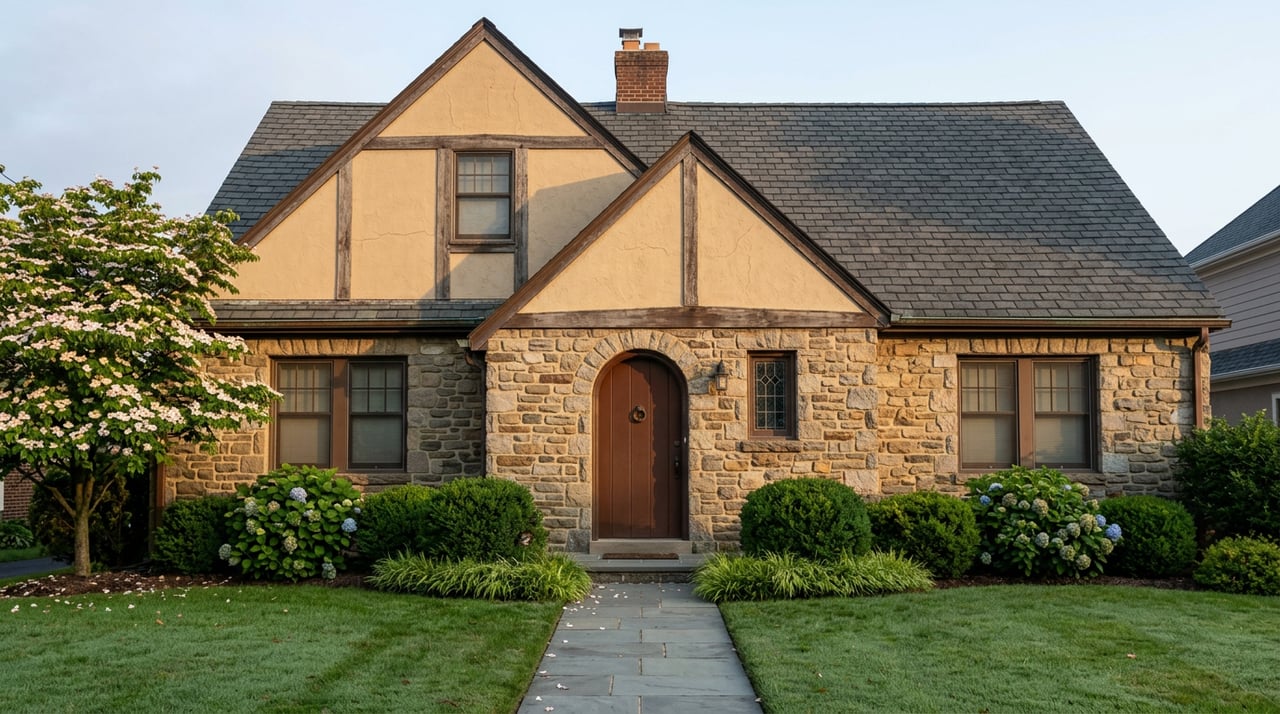
One of the biggest shifts from city living is how much your home and immediate surroundings shape your day. On Long Island, suburban life often includes a stronger focus on yards, landscaping, parking, and neighborhood upkeep.
Garden City offers one of the clearest examples of the classic manicured-suburb look. The village recreation department highlights tree-lined streets, annual tree planting, and 30,000 flower bulbs planted across more than 35 locations.
That creates a setting where the visual feel of the neighborhood is part of daily life. If you are drawn to tidy blocks, strong curb appeal, and a more refined village atmosphere, this is the kind of suburban rhythm that can feel especially appealing.
New Hyde Park has a different type of suburban energy. The village emphasizes resident parking rules, commuter parking, parks, senior services, a children's recreation program, and a street fair along Jericho Turnpike.
That suggests a lifestyle built as much around movement and convenience as around private outdoor space. You still get suburban elements, but the pace can feel a bit more connected to key roads, everyday errands, and station access.
Massapequa Park offers a more outdoors-focused suburban pattern. The village covers 2.2 square miles and sits between the Southern State Parkway and the Great South Bay, with active parks and recreation spaces woven into everyday life.
With places like Brady Park, Mansfield Park, and Colleran Park, the rhythm often feels centered on your block, your house, and the nearest green space. For many buyers, that can feel like a more spacious and activity-driven version of suburban living.
Another thing many buyers want to know is whether suburbia feels dull after city life. In these Long Island communities, the answer is usually no, but the social pattern looks different.
Instead of one nonstop urban scene, you are more likely to have local business corridors, familiar go-to restaurants, and neighborhood shopping areas that become part of your routine. The style of those gathering spots changes by town.
Garden City has one of the clearest downtown-style setups. The chamber describes Franklin Avenue as the main business thoroughfare and Seventh Street as the community shopping center, with restaurants, specialty retail, and services clustered there.
That creates a suburb where social life can feel centered and easy to repeat. You may find yourself returning to the same coffee stop, dinner spot, or local shop because those places are concentrated in a recognizable village core.
New Hyde Park also has a solid local dining scene, but it is spread along major roads rather than centered on a postcard-style downtown. The chamber lists 27 restaurants with addresses on Jericho Turnpike, Hillside Avenue, Lakeville Road, and Union Turnpike.
The village street fair also runs along Jericho Turnpike from New Hyde Park Road to Lakeville Road. That gives the area a practical, everyday feel where social life often happens in familiar corridor locations that fit naturally into your commute or errands.
Massapequa and Massapequa Park offer a more spread-out pattern. Village materials point to merchant areas on Merrick Road, Sunrise Highway, and the downtown area on Park Boulevard and Front Street.
That means your errands, casual dinners, and quick shopping runs can stay local, even if they happen in a few different pockets instead of one central strip. For many people, that creates a convenient suburban lifestyle that still feels active.
If you are moving from Queens, Brooklyn, or Manhattan, one of the biggest changes is that commuting becomes more structured. On Long Island, the train is important, but so are the routines around it.
The Long Island Rail Road shapes all three of these communities. Garden City station is on the Hempstead Branch, New Hyde Park is on the Port Jefferson Branch, and Massapequa is on the Babylon Branch.
A suburban commute often includes several moving parts. Where you live in relation to the station, how parking works, and how your week lines up with the rail schedule all matter.
Garden City uses village-run parking with resident permits and off-peak free parking. New Hyde Park offers resident parking permits and a muni-meter system. Massapequa Park station parking requires resident or non-resident permits.
That tells you something important about daily life. Even in residential areas that may feel walkable near a station or local business district, many households still organize the week around both car use and train access.
Garden City has especially strong rail coverage. According to the chamber, the village has six Long Island Rail Road stops and two lines within the village.
For buyers who want a commuter-friendly suburb, that can be a major advantage. It supports the sense that Garden City is one of the more transit-oriented suburban pockets within this part of Nassau County.
Weekend life is often where suburban living starts to feel most different from city life. On Long Island, weekends tend to revolve around parks, recreation, local events, and seasonal outdoor plans.
That does not mean there is less to do. It usually means the activities are more place-based, with a stronger emphasis on public spaces and community programming.
Garden City’s recreation setup supports a steady weekend routine. The village offers parks along with cultural, sports, and senior programming through its recreation department.
For you, that can translate into a lifestyle where local activities feel built in. Instead of deciding where to go every weekend from scratch, you may find that the village itself provides many of the options.
New Hyde Park offers Memorial Park, Nuzzi Field, children's summer recreation, senior programs, and an annual street fair. That gives the community a strong calendar of repeat-use public spaces and local events.
This kind of suburb often feels less about big destination outings and more about familiar community routines. If you value convenience and a sense of local programming, that can be a real plus.
Massapequa Park has one of the most recreation-heavy profiles of the three. Village life includes Brady Park, Mansfield Park, parades, breakfasts in the park, street-fair-style events, and access to town beach amenities.
For buyers who want their weekends to include more fresh air and public outdoor spaces, this can be a strong match. It reflects a South Shore lifestyle where recreation is not just an occasional activity, but part of the culture.
If you are considering areas closer to the South Shore, weekend options expand even more. This is where suburban life can start to feel less like a tradeoff and more like a lifestyle upgrade.
TOBAY Beach in Massapequa includes ocean and bayside beaches, a marina, a spray park, playgrounds, and restaurants. Jones Beach State Park offers 6.5 miles of white-sand beach, a boardwalk, food, mini golf, concerts, and the Energy & Nature Center. Bethpage State Park adds inland recreation with golf courses, picnic facilities, and trails.
That kind of access can shape how you use your time all year. For many Long Island buyers, being near these destinations is a major part of what makes suburban living feel worthwhile.
So what does suburban living on Long Island really feel like? In most cases, it feels more structured, more local, and more routine-driven than city life, but also more spacious and more connected to home-centered living.
You may spend more time thinking about parking, train schedules, yard upkeep, and which local business district fits your routine best. In return, you often gain more space, easier access to parks, and a weekend culture built around community amenities and outdoor time.
The biggest takeaway is that there is no single Long Island suburban experience. Garden City offers a polished village model, New Hyde Park offers a practical commuter-oriented setup, and Massapequa Park offers a more outdoors-driven South Shore feel.
If you are trying to figure out which version of suburban life fits you best, local guidance matters. The right move is not just about square footage or price point. It is about choosing the town that matches how you want to live every day.
When you are ready to explore Nassau County neighborhoods with a team that understands the details that shape daily life, connect with Kathleen Evangelista.
Stay up to date on the latest real estate trends.

When you choose our team, you're not just getting real estate professionals; you're gaining dedicated advisors who will work tirelessly to make your real estate dreams a reality. If you're looking for a truly superb real estate experience, trust in our team's expertise to navigate the complexities of the real estate market and ensure your satisfaction every step of the way. Your real estate success is our top priority.