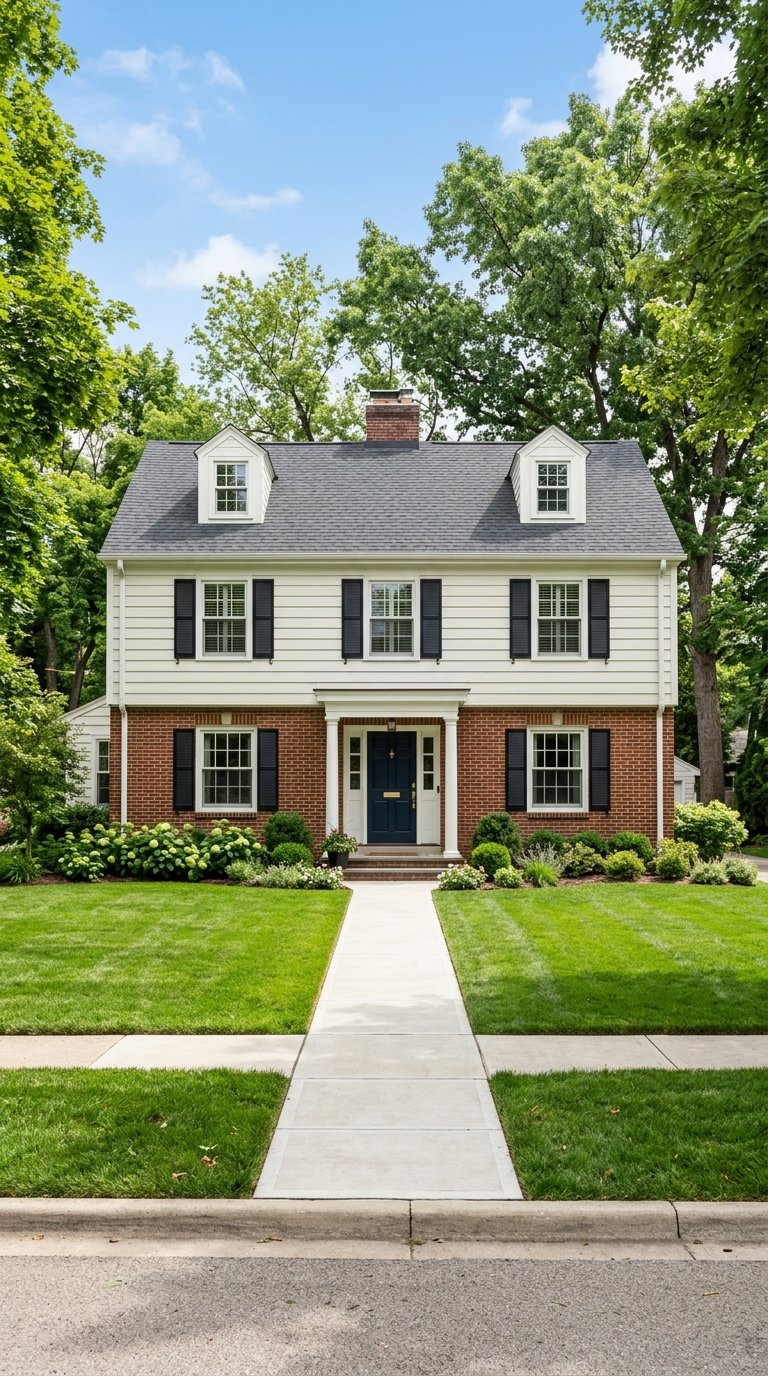
Valley Stream Neighborhood Comparison for Homebuyers
July 16, 2026
July 16, 2026
If you are thinking about buying in Valley Stream, one of the first surprises is that the "right" neighborhood often depends less on square miles and more on how you want to live day to day. Some parts of Valley Stream feel more commuter-focused, some feel more road-connected, and some offer a more planned suburban layout. This guide will help you compare four well-known Valley Stream areas so you can narrow your search with more confidence. Let’s dive in.
In Valley Stream, neighborhood names often work more like local shorthand than formal municipal districts. For buyers, that matters because each pocket tends to reflect a different housing era, street pattern, and convenience style.
The four clearest areas to compare are the West End, Gibson, the downtown/station core, and South Valley Stream, also commonly called Mill Brook and historically known as Green Acres. Each one offers a different mix of home style, layout, transit access, and nearby amenities.
The West End is the oldest area in this comparison. Historical records tie it to the 1893 Irma Park development, and surviving homes from the early 1900s help show the neighborhood’s long roots.
For you as a buyer, that usually means more variety in the housing stock. Instead of a highly uniform subdivision, you are more likely to see a mix of home ages, styles, and lot conditions along an older road-oriented streetscape.
The West End sits along West Merrick Road and near Montgomery Street. It tends to read more like an older corridor that developed over time rather than a single planned neighborhood with a tightly repeated pattern.
That can be a strong fit if you are drawn to older-house character and a streetscape that feels less cookie-cutter. It can also appeal to buyers who want convenient access to Merrick Road and do not need a more modern subdivision layout.
The West End may be worth a closer look if you want:
If your top priority is consistency from block to block, this may feel less predictable than some other parts of Valley Stream.
Gibson stands out as one of Valley Stream’s clearest planned early commuter neighborhoods. The area began taking shape in the early 1920s after William Gibson bought the land, and the first homes rose on streets including Avondale, Berkeley, Cambridge, Derby, and Elmwood.
Later phases added attached residences and mews on Cochran Place and Dartmouth Street. As a result, Gibson offers a more intentional neighborhood pattern than the West End, along with a mix of detached homes and some attached housing.
For many buyers, Gibson feels easier to define on a map and easier to understand as a neighborhood. Its street network and development history give it a more recognizable subdivision identity.
That planned feel can make your search more focused if you already know you want a compact neighborhood with a strong sense of place. It also helps if you are comparing street-by-street trade-offs around transit access.
Gibson’s station history is a major part of its identity. The station opened in 1929, and the current village station parking map identifies the surrounding pocket with streets such as Munro Boulevard, Gibson Boulevard, Carstairs Road, Fordham Street, Dartmouth Street, and Dubonnet Road.
The same village materials note free unrestricted parking and an N1 bus connection. If you are looking for a Valley Stream neighborhood with rail access built into its story and layout, Gibson is one of the strongest options.
Gibson may be a good match if you want:
The downtown/station core is less about one subdivision and more about convenience. This part of Valley Stream centers on the train station area and the nearby civic and service hub around Merrick Road, Sunrise Highway, Rockaway Avenue, South Central Avenue, Franklin Avenue, Village Hall, and the post office.
If you want to keep daily errands, public amenities, and transit access close together, this area deserves a close look. It is the most service-dense part of Valley Stream in this comparison.
Village information places many public amenities in the central civic zone. These include Village Hall, the library, the dog park behind Village Hall, the community center, Hendrickson Park, and the pool and mini-golf complex.
For buyers, this can translate into a more connected day-to-day lifestyle. Instead of choosing a neighborhood mainly for subdivision design, you may be choosing it for shorter trips and close access to village destinations.
The station area also offers a wider range of transit-related features than the other pockets discussed here. Village materials show resident permits, daily meters, bike racks and lockers, and NICE bus service including the N1, N3, and the Elmont Flexi shuttle.
The village’s path-to-LIRR project is also designed to connect Edward Cahill Memorial Park, the south-side park corridor, Village Hall, the library, the dog park, and the downtown rail area. That adds to the appeal if your goal is convenience and close-in access.
The downtown/station core may fit best if you want:
If your preference is a more enclosed suburban subdivision feel, another pocket may be a better fit.
South Valley Stream, commonly called Mill Brook and historically known as Green Acres, is the most clearly planned south-side neighborhood in this comparison. Historical sources describe it as a late-1930s Greenbelt-style community with cul-de-sacs, pedestrian paths, and a greenbelt along its east and south boundaries.
That planning history still shapes how the neighborhood feels today. Compared with the downtown core or the West End, Mill Brook tends to offer a more intentionally suburban layout.
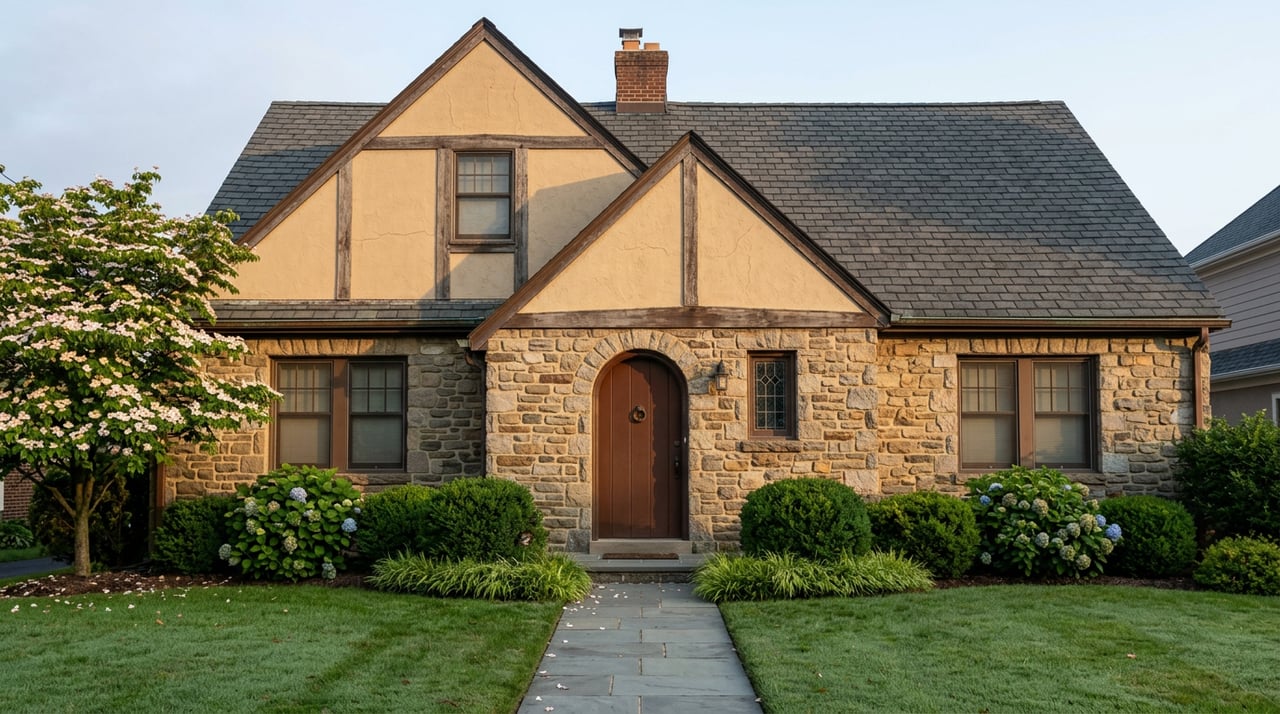
The prewar Old Section includes Colonials, Tudors, and Capes. The postwar New Section adds split-levels and ranches, giving buyers a broader range of familiar suburban home styles within one larger neighborhood identity.
If you want a planned setting but still like some variety in architecture, that mix can be appealing. The variation comes from housing eras, not from a loose or unstructured layout.
Village historical material identifies Old Central Avenue, Woodland Road, and Mayfield Lane as the three through streets, with borders along Mill Road and Hook Creek. The same sources connect the area to Sunrise Highway and the Green Acres Shopping Center.
That makes Mill Brook especially practical if road access and shopping convenience matter more to you than living closest to a train station. Nearby amenities also include Mill Pond and Edward Cahill Memorial Park, along with Valley Stream’s broader park network.
Valley Stream State Park is another notable local amenity. According to New York State Parks, it is open year-round from sunrise to sunset and offers picnic areas, play areas, ballfields, nature trails, and cross-country ski trails.
Mill Brook may be a strong fit if you want:
| Neighborhood | Strongest Appeal | Housing Pattern | Best For |
|---|---|---|---|
| West End | Older character and variety | Less uniform, road-oriented | Buyers who like older homes and mixed streetscapes |
| Gibson | Commuter identity | Early planned subdivision | Buyers prioritizing rail access and neighborhood definition |
| Downtown/Station Core | Convenience and amenities | Older residential streets around civic hub | Buyers wanting short trips, transit, and village services |
| South Valley Stream / Mill Brook | Planned suburban feel | Greenbelt-style layout with mixed housing eras | Buyers wanting shopping access and a more intentional neighborhood plan |
The best Valley Stream neighborhood is the one that lines up with your real daily routine. If you picture yourself commuting by rail, Gibson or the downtown core may rise to the top. If you care more about shopping access and a planned suburban feel, Mill Brook may make more sense.
If you are drawn to older homes with less uniformity, the West End may offer the most character. The key is to compare more than price alone and think about how the neighborhood layout will affect your mornings, errands, and weekends.
A helpful way to narrow your options is to rank these four priorities before you tour homes:
Once you know which of those matters most, Valley Stream becomes much easier to navigate.
Because Valley Stream neighborhood names often reflect local shorthand instead of strict district lines, online searching only tells part of the story. Two homes with the same mailing area can offer very different day-to-day experiences depending on whether they sit near the station core, deeper in Gibson, along an older West End corridor, or in the planned streets of Mill Brook.
That is where town-level knowledge becomes valuable. When you work with an agent who understands how these pockets function in real life, you can search smarter, compare homes more clearly, and avoid wasting time on areas that do not match your priorities.
If you are planning a move in Valley Stream, Kathleen Evangelista can help you compare neighborhoods, refine your home search, and move forward with confidence.
Stay up to date on the latest real estate trends.


When you choose our team, you're not just getting real estate professionals; you're gaining dedicated advisors who will work tirelessly to make your real estate dreams a reality. If you're looking for a truly superb real estate experience, trust in our team's expertise to navigate the complexities of the real estate market and ensure your satisfaction every step of the way. Your real estate success is our top priority.