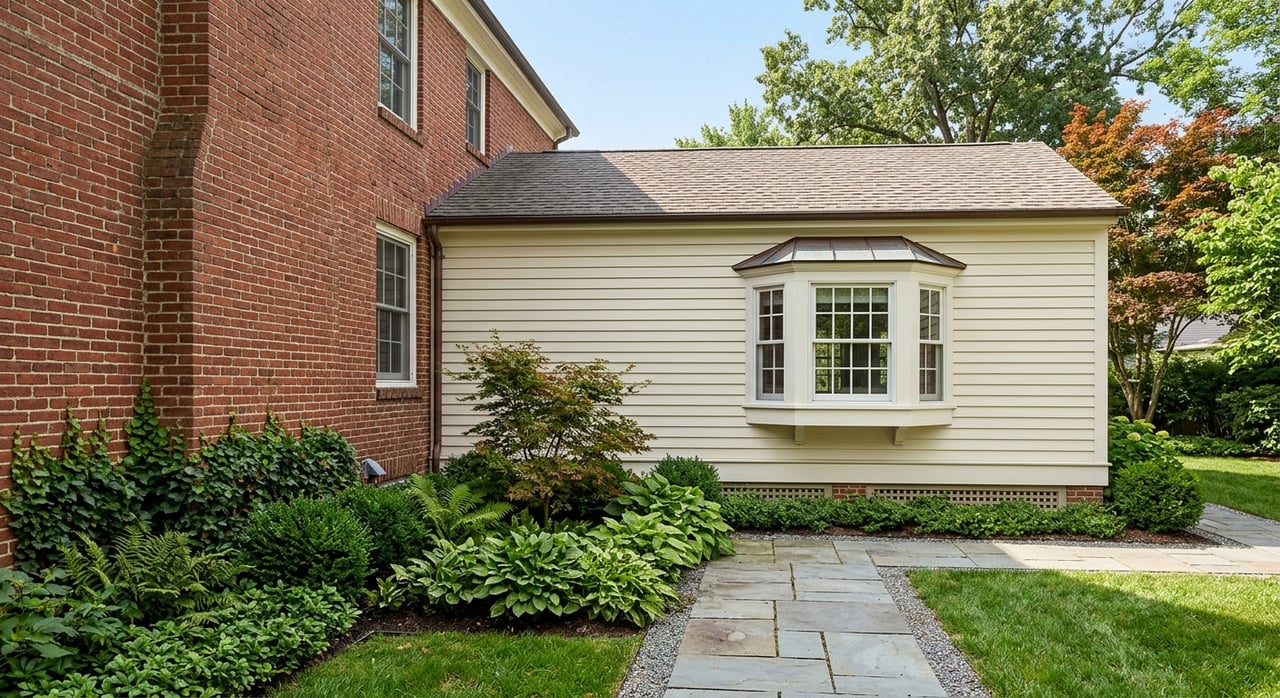
Should You Renovate or Move in New Hyde Park?
July 2, 2026
July 2, 2026
Feeling squeezed in a home you love is a frustrating kind of crossroads. You may want another bedroom, a better layout, or simply more breathing room, but in New Hyde Park, the answer is not always as simple as build or buy. If you are weighing whether to renovate or move, the smartest next step is to look at your lot, your goals, and today’s market together. Let’s dive in.
New Hyde Park is the kind of place where many homeowners stay put for years. The village has about 10,220 residents, 3,534 households, and an owner-occupied housing rate of 86.9%. About 93.1% of residents lived in the same house one year earlier, which points to a market where many owners try to make their current home work before deciding to move.
That mindset also makes sense when you look at housing costs. Median selected monthly owner costs with a mortgage are $3,621, and the median value of owner-occupied homes is $722,900. For many homeowners, adding space to a home they already own can feel more manageable than stepping into a higher monthly payment somewhere else.
Before you compare renovation bids or browse listings, get clear on what is not working. Some homeowners need one more bedroom. Others need a larger kitchen, a home office, or a better first-floor layout for daily life.
That matters because the right answer depends on the type of space you need. In New Hyde Park, a dormer or second-floor addition may solve one problem, while a desire for a much larger footprint may point more clearly toward moving.
In the incorporated Village of New Hyde Park, zoning is usually the first reality check. In the village’s residential zones, building coverage generally cannot exceed 35% of the lot area. Residential buildings are generally capped at 2.5 stories or 30 feet, with front yard, rear yard, and side yard requirements that can quickly shape what is possible.
The village also uses a tiered gross floor area schedule based on lot size. Lots up to 3,999 square feet allow a maximum gross floor area of 1,880 square feet. Lots from 4,000 to 5,999 square feet allow 2,700 square feet, and lots of 6,000 square feet or more allow 3,200 square feet.
This is why two similar-looking houses can have very different renovation paths. Your wish list matters, but your lot size, setbacks, height limits, and floor-area cap usually matter more.
In plain terms, New Hyde Park homes often grow backward or upward more easily than sideways. Tight side-yard requirements can make wide side additions harder to fit, especially on smaller lots. That is one reason rear additions, dormers, and second-floor expansions show up repeatedly in village materials and approvals.
Official village minutes and newsletters regularly reflect projects like second-floor additions, rear additions, second dormers, front porticos, and full second-story additions. If you are hoping to expand, these are the patterns that tend to be most familiar locally.
Not every renovation stays simple. If your plans push beyond setback rules, lot coverage limits, or maximum gross floor area, your project may move into variance or board-review territory.
Village records show examples of homeowners seeking relief for side-yard issues, cantilevered additions, increased lot coverage, and floor-area overages. That does not mean your project cannot happen, but it does mean timing, complexity, and approval risk can rise quickly.
Renovation usually makes the most sense when you already like your location and your lot can support the change. If your home is close to what you want and the zoning envelope can absorb the additional square footage, improving the house may be the cleaner path.
This can be especially true if your need is specific and focused, such as:
For many New Hyde Park owners, the key benefit is continuity. You keep the location you know while adapting the house to fit your current life.
Sometimes the house and lot simply cannot deliver what you need. If your ideal project would exceed coverage or floor-area limits, require multiple variances, or amount to something close to a rebuild, moving may be the more practical choice.
That can also be true if your goals go beyond square footage. You may want a different layout, more land, a different style of home, or features that are difficult to create through an addition. In those cases, it can be smarter to put your equity to work in a home that already fits your next chapter.
If you are considering a move, the New Hyde Park market still gives homeowners a viable path, but pricing strategy matters. Redfin’s three-month snapshot ending May 2026 shows a median sale price of $774,536, down 7.2% year over year, with homes taking an average of 44 days to sell. It also reports that 46.3% of homes sold above list price, while 29.3% had price drops.
That mix tells an important story. Buyers are active, but they are also selective, and not every listing is sailing through. Condition, presentation, and pricing can have a major impact on your result if you decide to sell.
You may also notice different home value figures depending on where you look. Zillow reports an average home value of $987,231 in New Hyde Park as of May 31, 2026, with 83 homes for sale and 37 new listings, while Redfin’s figure reflects recent median sale prices.
Those numbers are not necessarily in conflict. They come from different methodologies, so they answer different questions. One is more about estimated value trends, while the other is based on closed sales activity.
The broader Nassau County market remains active as well. Redfin shows a county median sale price of $847,458 over the last three months ending May 2026, up 7.5% year over year, with homes selling in 32 days on average and 49.0% of homes selling above list price.
That broader activity supports the idea that move-up demand still exists. At the same time, New Hyde Park’s local snapshot looks somewhat softer and more price-sensitive than Nassau County overall, which makes local guidance especially important.
A lot of homeowners start with a simple question: which option is cheaper? In reality, the better framework is to compare construction friction, permit friction, and market friction.
This is the day-to-day reality of building. How disruptive will the project be? Will you be changing one part of the home, or creating a major whole-house construction process?
A dormer or rear addition may be manageable for one household and overwhelming for another. Your tolerance for timeline uncertainty matters just as much as the square footage gained.
In New Hyde Park, the paperwork side is real. Village permit instructions show that homeowners may need plans prepared by a licensed architect or professional engineer, a scaled property survey, a building permit application, plumbing permit materials if needed, an Architectural Review Board application when required, a Nassau County Assessors Building Permit, and energy-code compliance materials for alterations.
Incomplete applications are not accepted. That means even a good idea can stall if the filing package is not complete and properly prepared.
If you move, you trade permit stress for market decisions. You will need to prepare your current home for sale, price it correctly, and compete in a market where some homes sell above ask while others need price adjustments.
The good news is that buyers are still active in the area. The challenge is that your outcome may depend heavily on presentation, timing, and strategy.
If you are stuck between renovating and moving, start by answering these questions:
If the lot and code can absorb your goals, renovation may be a smart path. If the project starts running into repeated zoning limits or begins to resemble a near-rebuild, moving may be the simpler answer.
In New Hyde Park, this decision is rarely just about taste or budget. It is about whether your home can grow within the village’s rules, how much process you want to take on, and whether the local market offers a better path forward.
A thoughtful plan can save you time, money, and stress. Before you commit, it helps to speak with a licensed architect, contractor, lender, and the local building department so you can evaluate your specific property and goals clearly. If you also want to understand what your home could sell for and how a move-up purchase might compare, Kathleen Evangelista can help you weigh both sides with local New Hyde Park insight.
Stay up to date on the latest real estate trends.

When you choose our team, you're not just getting real estate professionals; you're gaining dedicated advisors who will work tirelessly to make your real estate dreams a reality. If you're looking for a truly superb real estate experience, trust in our team's expertise to navigate the complexities of the real estate market and ensure your satisfaction every step of the way. Your real estate success is our top priority.