Understanding Malverne NY Home Styles, From Capes to Colonials
June 18, 2026
June 18, 2026
If you have started browsing homes in Malverne, you have probably noticed something right away: the housing stock feels consistent, but not cookie-cutter. One block may feature a brick Tudor, a classic Colonial, and a Cape with dormers, all shaped by different eras of growth. Understanding those home styles can help you spot value, picture renovation potential, and feel more confident as you search. Let’s dive in.
Malverne did not grow in just one burst of development. According to the Malverne Historical & Preservation Society, the area stayed rural through the 19th century, began shifting toward suburbia after a major land purchase in 1911, incorporated as a village in 1921, and saw another strong growth period in the 1940s and 1950s.
That history matters when you walk through the local market today. Instead of one dominant tract-home style, you are more likely to see a mix of prewar Colonials and Tudors along with mid-century Cape Cods and ranches. The Village code also describes Malverne as a community made up principally of one-family homes, which helps explain the neighborhood pattern many buyers recognize today.
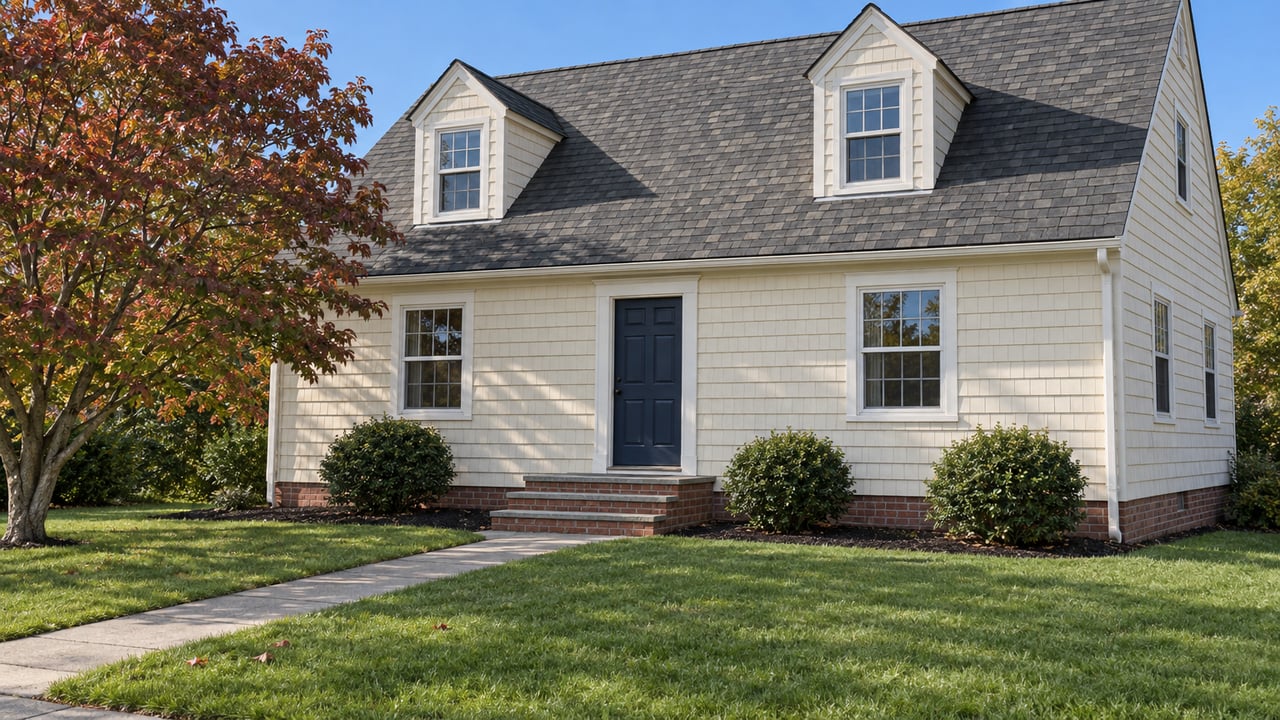
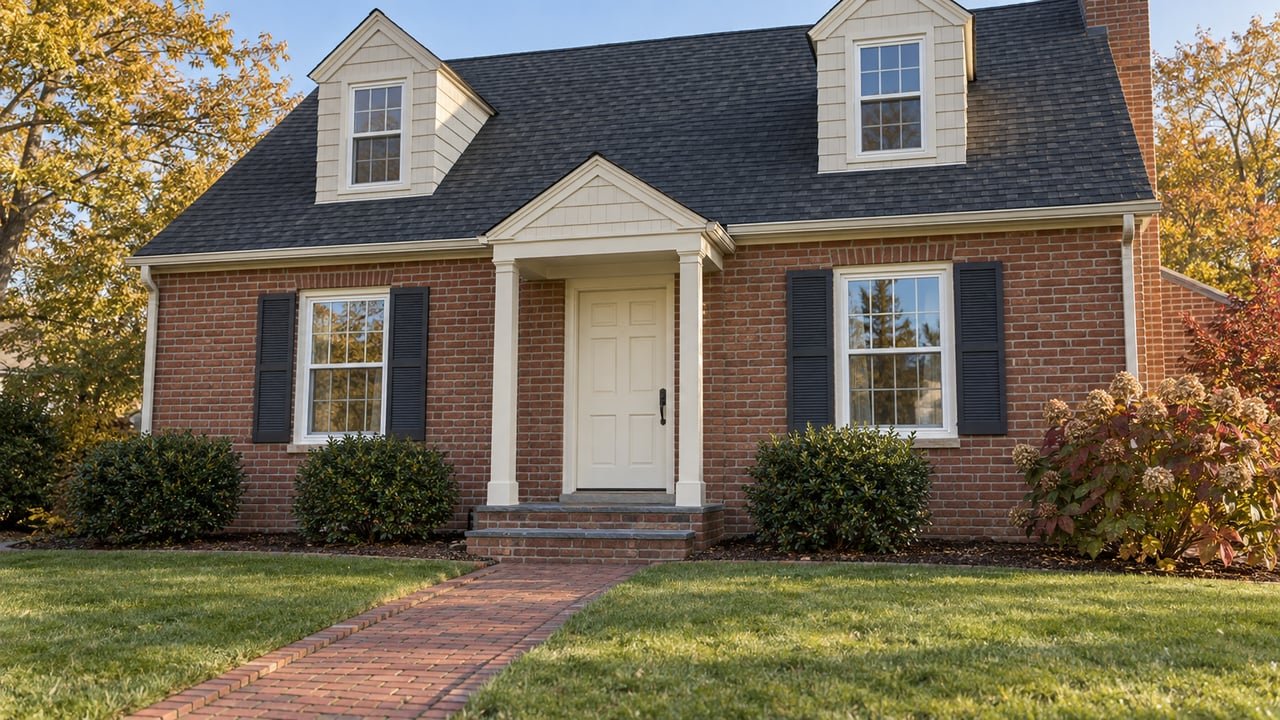
Cape Cod homes are one of the styles buyers are most likely to see in Malverne. National Park Service guidance describes them as one- or one-and-a-half-story side-gable houses that were especially common from the 1920s through the 1950s.
In practical terms, a Malverne Cape often offers a compact footprint with flexible living space. A recent example at 181 Woods Avenue was a wideline Cape built in 1946 with four bedrooms, two baths, 1,666 square feet, a formal dining room, an eat-in kitchen, a family room, and first-floor bedrooms.
That layout helps explain why Capes remain popular. You may find a home that keeps its traditional shape while adding features that fit modern living, such as a larger kitchen, central air, or updated finishes. A nearby example at 4 Ackley Avenue was marketed as a Tudor-style Cape Cod and paired a classic exterior with an updated kitchen and fenced yard.
When you tour a Cape in Malverne, pay attention to how the space has been used over time. These homes often make the most of every level, including upper-story dormer space, eave storage, and first-floor bedrooms.
You may also notice that some Capes feel more expanded than others. That is often the result of later updates rather than a full rebuild, which is a common pattern in Malverne.
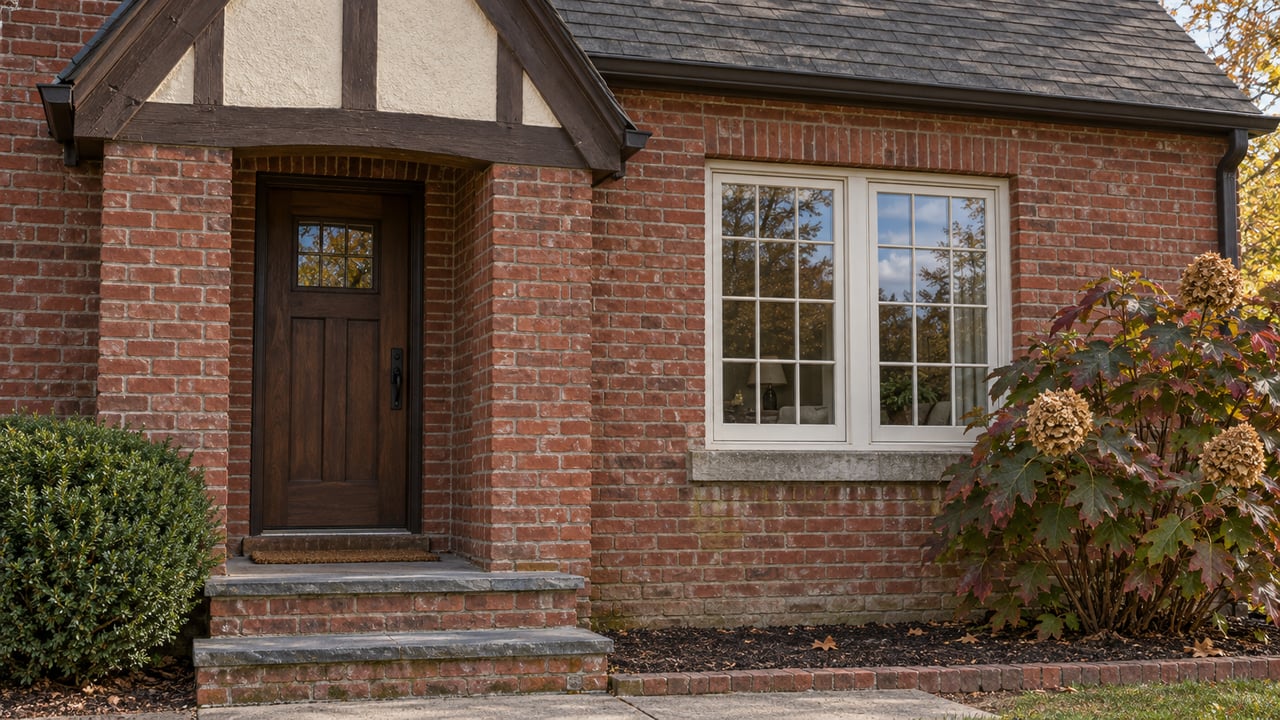
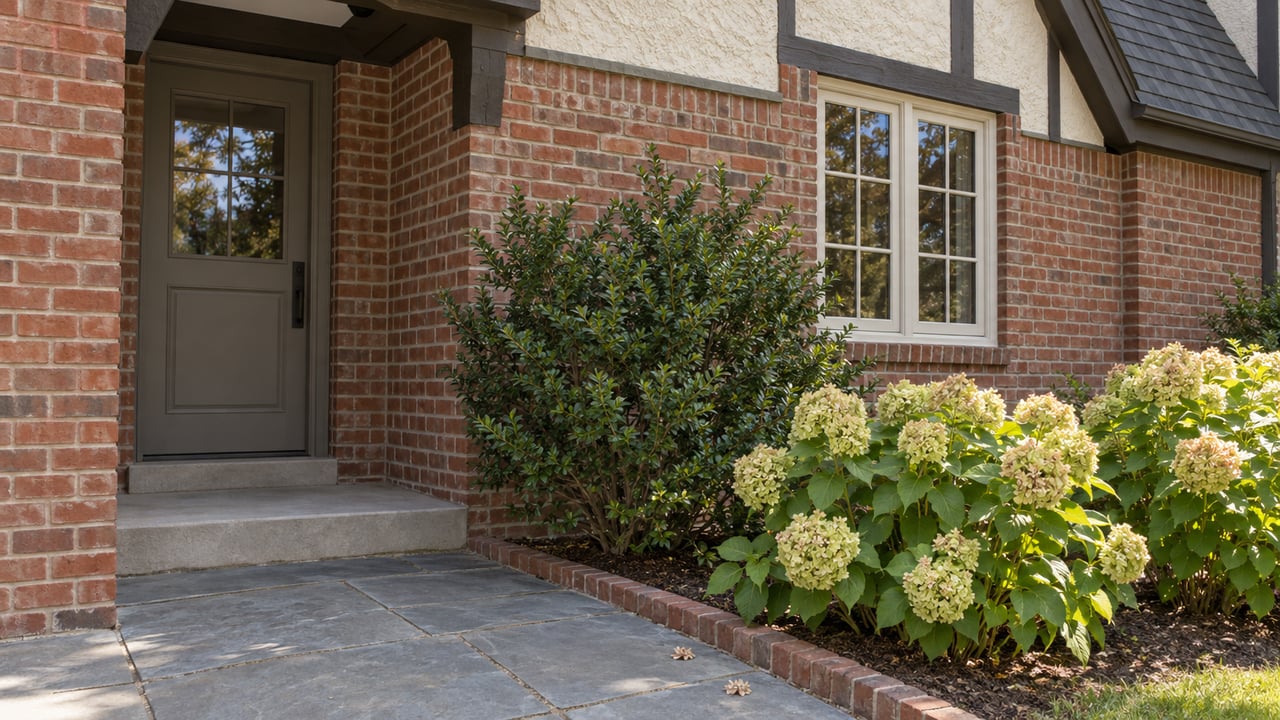
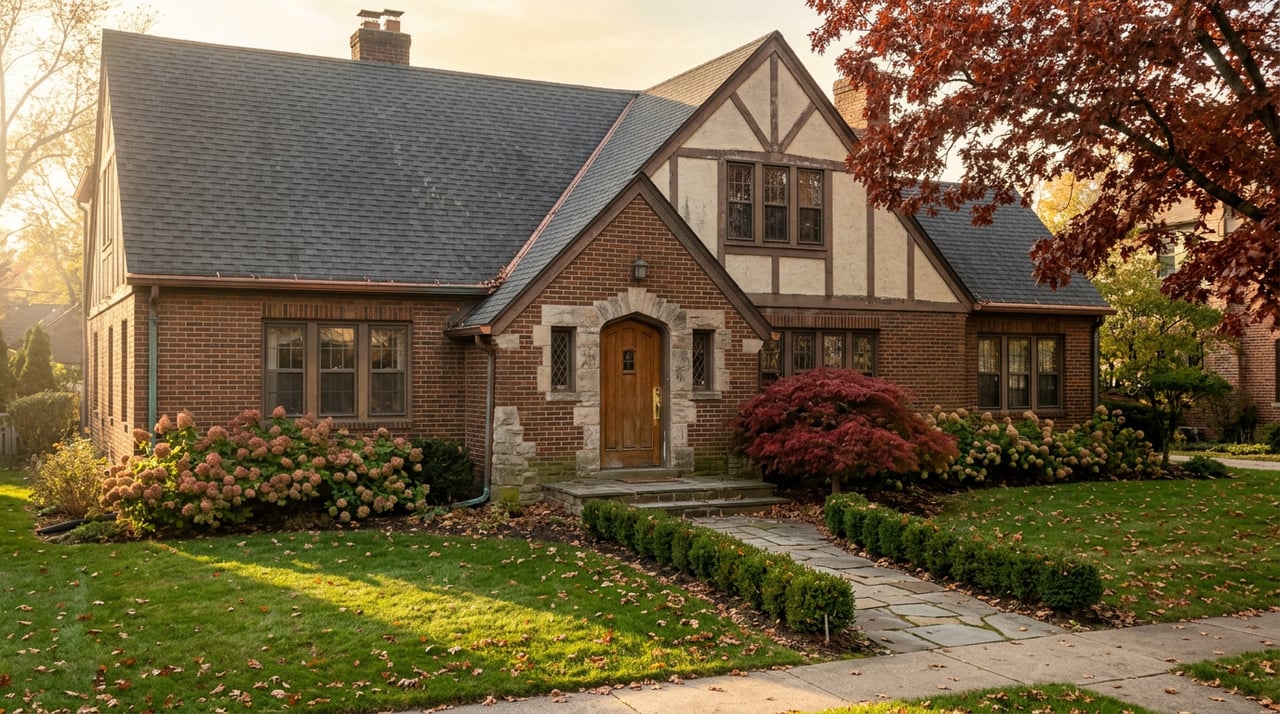
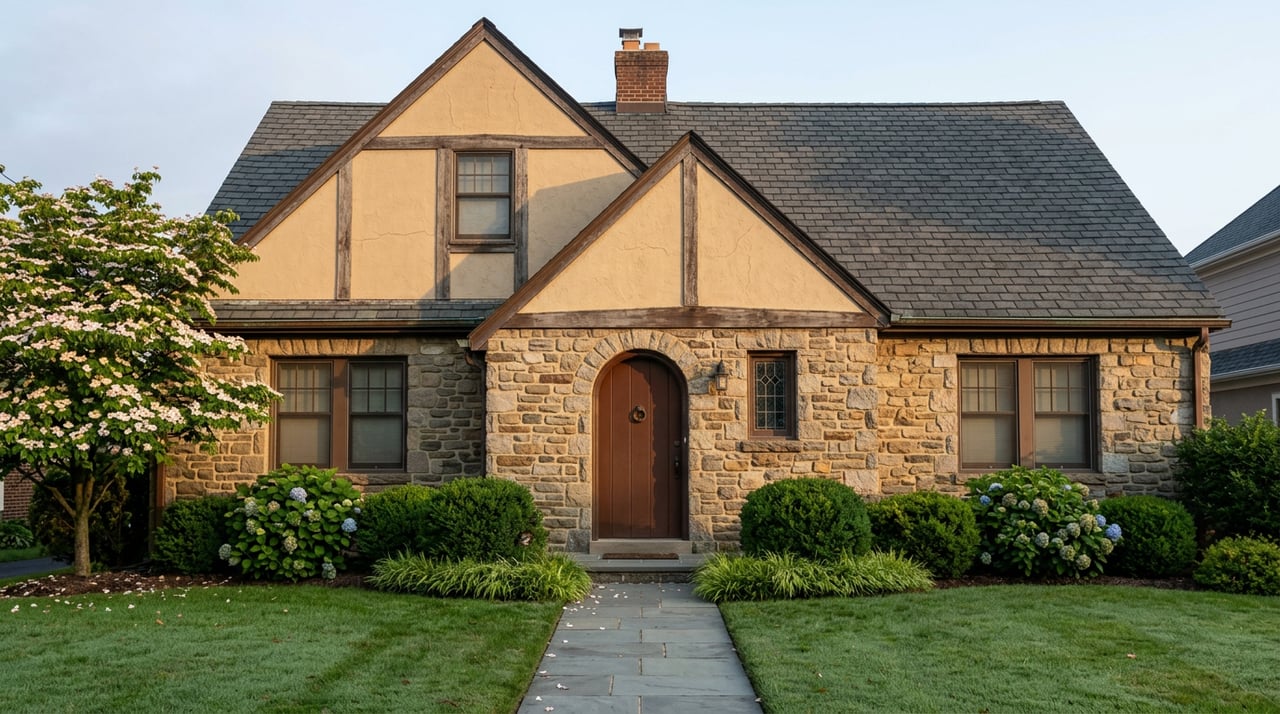
Tudor homes bring some of the most recognizable curb appeal in the village. National Park Service guidance describes Tudor Revival homes as asymmetrical, with steeply pitched gables, masonry or half-timbering, tall narrow windows, and recessed entries.
In Malverne, these homes often reflect the village’s earlier suburban growth. A local example at 4 Johnson Avenue is an all-brick Tudor built in 1928 on a 6,000-square-foot corner lot, with a foyer, fireplace, formal dining room, sunroom, walk-up attic, and full basement.
For many buyers, the appeal of a Tudor is both visual and practical. The exterior style tends to feel distinctive, while the interior may include useful bonus areas like attics, basements, or sunrooms that can support changing needs over time.
With a Tudor, look closely at original details and how they blend with updates. The style often keeps its identity even after modernization, which can be a major plus if you want character without giving up daily function.
It also helps to think about room flow. Many Tudors in older suburban settings were built with more defined spaces rather than a fully open plan, so layout matters as much as square footage.
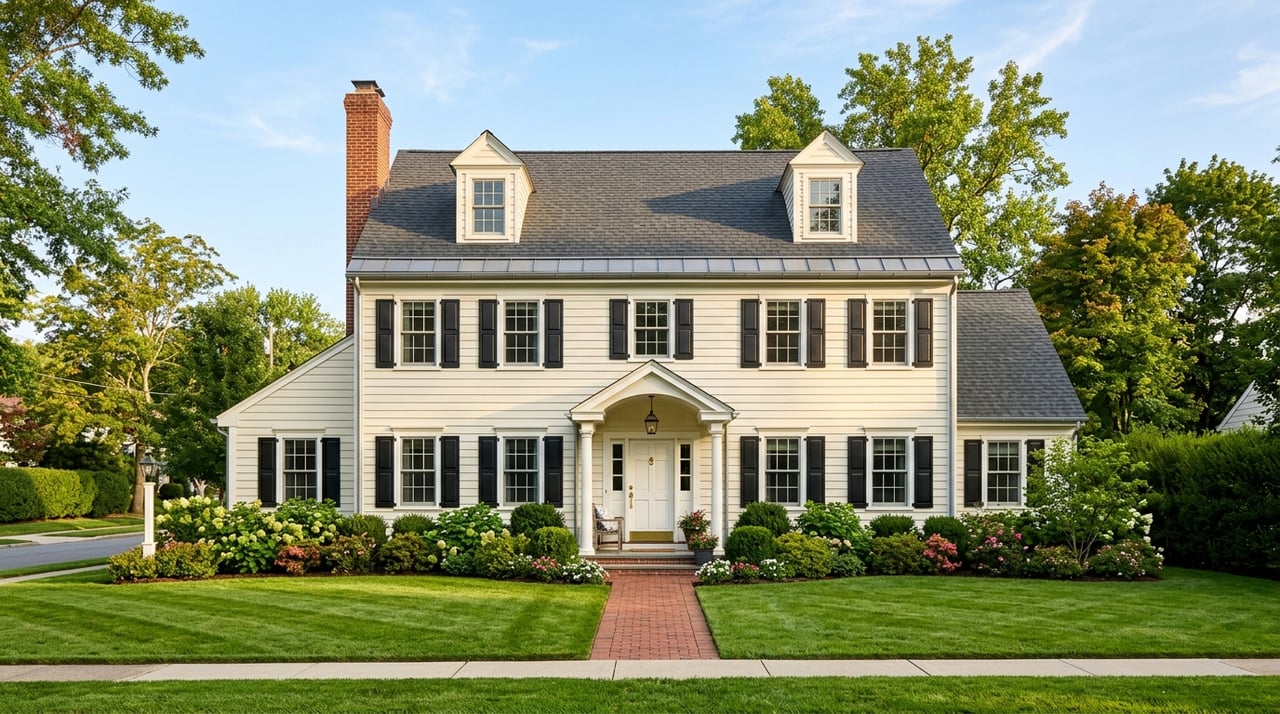
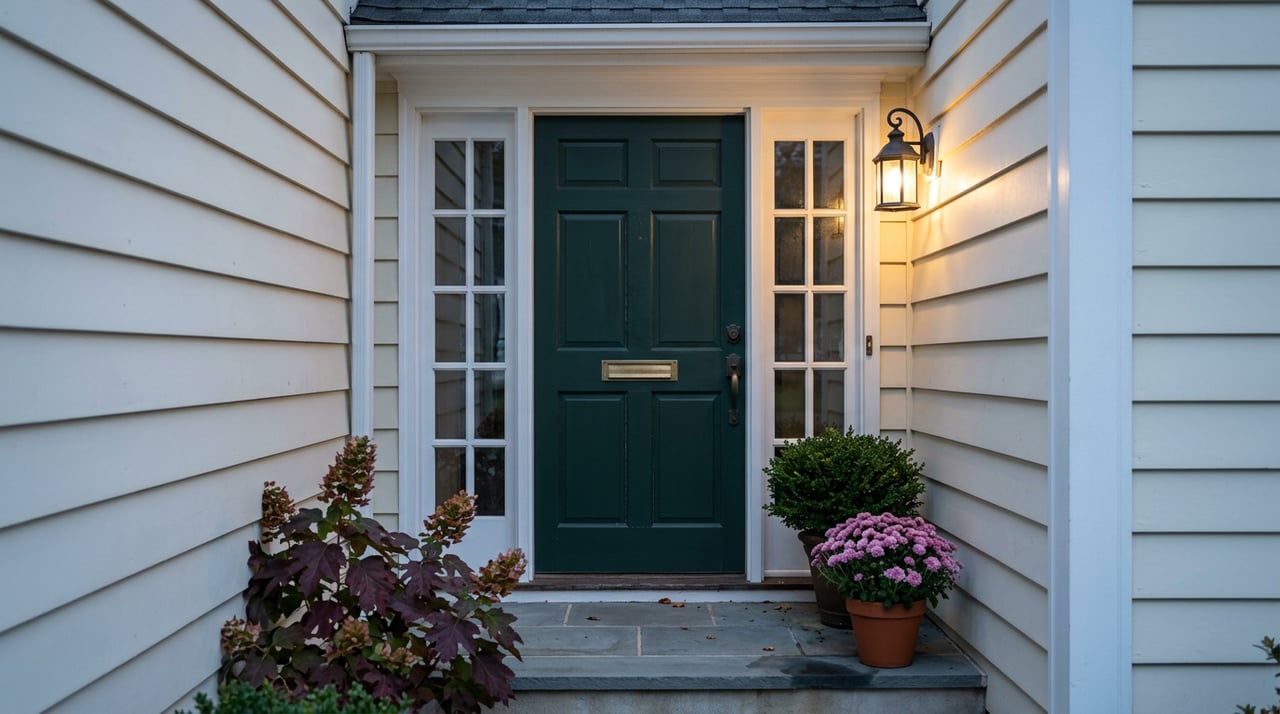
Colonials are another major part of Malverne’s housing mix. National Park Service guidance describes Colonial Revival homes as symmetrical houses with gable or hipped roofs, a more formal front entry, and details like columns or sidelights.
These homes often appeal to buyers who want a traditional layout. A local example at 107 Malverne Avenue, built in 1913 on an 8,001-square-foot lot, included an entry hall, large living room, formal dining room, family room, eat-in kitchen, updated baths, attached two-car garage, and large deck.
Another example at 39 Linmouth Road reflected a more traditional circulation pattern, with a full attic, full basement, and detached garage. That combination shows a common Malverne theme: original structure and flow paired with modern systems or later additions.
When you visit a Colonial, think about how you use formal and informal living areas. Many of these homes were designed with separate rooms, which can feel orderly and practical for some buyers.
You should also look at whether the home has been expanded. In Malverne, a Colonial may keep its classic front appearance while adding family-room space, outdoor living areas, or garage improvements over time.
Expanded ranches add another layer to Malverne’s housing story. National Park Service guidance describes ranch homes as low-pitched, one-story houses with wide eaves, horizontal lines, large picture windows, and a strong connection to the backyard through patios or similar outdoor areas.
In Malverne, many ranches did not stay in their original form. A local example at 5 Gold Circle was marketed as an expanded Gold Ranch with 2,563 square feet, five bedrooms, a center hall, a family room, central air, newer roof, attached garage, and a 0.31-acre lot.
Another example at 60 Linden Street sat on a 9,000-square-foot lot and included two fireplaces, a screened porch, and a pool. These examples show how ranch homes can grow with a household while still keeping their low, wide profile.
With an expanded ranch, the key question is how well the addition fits the original house. Some expanded homes feel seamless, while others show more of the evolution from one-story design to a larger footprint.
You should also pay attention to backyard use. Ranch layouts often connect well to outdoor spaces, which can be a meaningful advantage if exterior living matters to you.
Malverne’s lot patterns are part of what shapes the feel of its residential streets. The village’s supplemental residential zoning sets a 6,000-square-foot minimum lot area, a 60-foot minimum lot width, a 25 percent maximum lot coverage, and a 40 percent maximum floor-area ratio in residential districts.
That framework helps explain why additions and accessory structures tend to stay relatively controlled. Village guidance also regulates sheds and other accessory structures, which affects how homes expand over time.
At the same time, public listing examples show that lot sizes can vary quite a bit. Recent examples ranged from 4,100 square feet at 4 Ackley Avenue to 13,399 square feet at 5 Gold Circle.
Because some sample lots fall below the current 6,000-square-foot minimum, it is reasonable to infer that parts of Malverne include older nonconforming or grandfathered lots. For you as a buyer or seller, that means block-by-block differences can matter more than you might expect.
One of the most useful things to know about Malverne is that many homes have been improved gradually rather than replaced all at once. In listing examples, the common pattern is modernization layered onto an older shell.
You will often see updates such as:
A home at 134 Woods Avenue, for example, was renovated with an open-concept kitchen and living room, natural-gas appliances, updated baths, and a finished basement. That kind of renovation helps preserve the basic character of the house while improving everyday comfort.
If you are buying in Malverne, home style tells you more than curb appeal. It can offer clues about layout, likely renovation history, storage, future flexibility, and how the home fits on its lot.
If you are selling, understanding your home’s style helps you position it clearly. A brick Tudor, wideline Cape, classic Colonial, or expanded ranch each speaks to buyers in a slightly different way, especially when paired with thoughtful updates and a realistic view of the home’s original design.
The bigger takeaway is simple. Malverne’s housing stock is best understood as a mix of original prewar forms and later additions or system upgrades, not one uniform era of construction. That is part of what gives the village its appeal and why local guidance matters when you are comparing one home to another.
If you are thinking about buying or selling in Malverne, working with a team that understands these block-by-block differences can make the process much clearer. For local insight, pricing guidance, and white-glove support, connect with Kathleen Evangelista.
Stay up to date on the latest real estate trends.

When you choose our team, you're not just getting real estate professionals; you're gaining dedicated advisors who will work tirelessly to make your real estate dreams a reality. If you're looking for a truly superb real estate experience, trust in our team's expertise to navigate the complexities of the real estate market and ensure your satisfaction every step of the way. Your real estate success is our top priority.