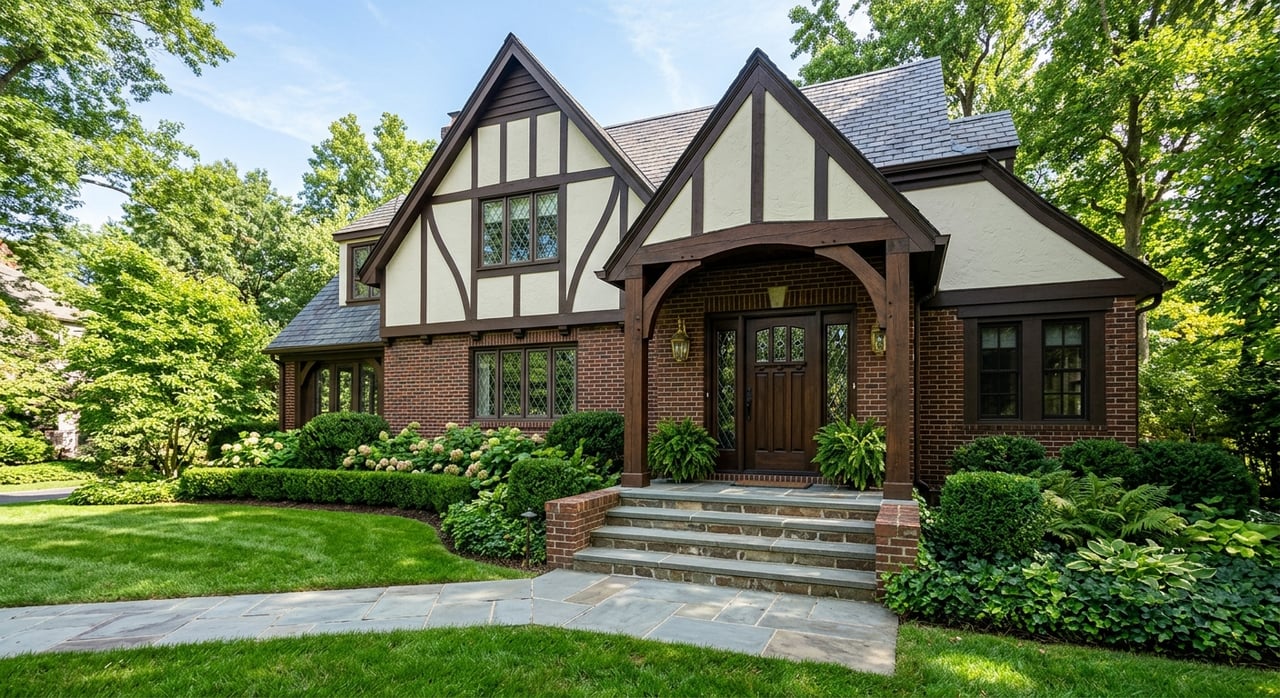
A Smart Guide for First Time Buyers in New Hyde Park
May 28, 2026
May 28, 2026
Buying your first home in New Hyde Park can feel exciting and overwhelming at the same time. You are likely balancing home prices, monthly costs, financing options, and the details of New York’s contract process all at once. The good news is that with the right plan, you can shop smarter and avoid common surprises. Let’s break down what first-time buyers should know before making a move in New Hyde Park.
New Hyde Park offers a compact Nassau County setting with a strong ownership profile. According to the U.S. Census, 86.1% of homes are owner-occupied, which points to a market where homeownership is a major part of the local housing landscape.
That does not mean buying here is simple or low-cost. Public price data varies by source, but the bigger takeaway is clear: this is a market where you need to plan carefully for both the purchase price and your monthly carrying costs.
If you are researching New Hyde Park home prices, you may see different numbers depending on the source. The U.S. Census reported a median owner-occupied home value of $700,400 for 2019 through 2023, Redfin reported a median sale price of $770,000 in March 2026, and Zillow’s October 2025 home value index for the surrounding area was $941,870.
Those numbers do not perfectly match because the sources use different methods and geographies. For you as a buyer, the practical lesson is to use local, property-specific guidance instead of relying on one headline number alone.
New Hyde Park is not described as a deeply discounted market. Redfin reported that the area was somewhat competitive, with a median of 44 days on market in March 2026.
For a first-time buyer, that usually means you should be financially prepared before you start seriously bidding. A solid budget, lender preparation, and a clear list of must-haves can help you move with more confidence when the right home comes up.
One of the biggest first-time buyer mistakes is focusing only on the sale price. In Nassau County, your real monthly cost can be shaped just as much by taxes, insurance, mortgage terms, and property type.
The Census reported median monthly owner costs with a mortgage at $3,439. That figure is a useful reminder that affordability is about the full payment, not just what you offer on the house.
Nassau County explains that property taxes are spread across multiple taxing jurisdictions. School taxes are billed separately from county, town, and special district taxes, so two homes with similar prices may carry different monthly costs.
This matters a lot in New Hyde Park because school district assignment is tied to the specific property address. Before you make an offer, you should confirm the district tied to the home and review the tax picture carefully.
New York’s STAR program offers school-tax relief, but there is an important detail for new buyers. Nassau County notes that new homeowners and first-time STAR applicants must register for the STAR credit because the STAR exemption is closed to new applicants.
That means you should not assume tax relief happens automatically. It is one more item to build into your move-in planning and monthly budget review.
In New Hyde Park, your choice is not only about price or location. Ownership type also matters, especially if you are comparing a single-family home with a condo, townhouse, or co-op.
Redfin organizes local market comparisons by single-family homes, townhouses, and condos or co-ops. For first-time buyers, that is a helpful reminder that two homes with similar asking prices may come with very different monthly obligations and ownership rules.
Single-family homes often offer the most control over the property itself. Your monthly costs may be more tied to mortgage, taxes, insurance, and maintenance rather than shared building fees.
Because The Evangelista Team focuses heavily on suburban single-family homes across Nassau County, this is often the property type many first-time buyers explore first in New Hyde Park.
Condos and co-ops can open the door to ownership for some buyers, but they come with extra layers of review. The New York Attorney General warns that condo and co-op purchases involve special offering plans and governing documents that deserve close attention.
You should also know that New York’s Property Condition Disclosure Statement does not apply to condo and co-op units. That is one reason document review, building rules, and monthly fee analysis are especially important before you commit.
If coming up with down payment or closing funds feels like the biggest hurdle, you are not alone. New York State Homes and Community Renewal says SONYMA programs are designed to help first-time buyers overcome common barriers to homeownership.
SONYMA defines a first-time buyer as someone who has not owned a primary residence in the last three years. If that sounds like you, it may be worth exploring whether you qualify for one of the available programs.
According to New York State Homes and Community Renewal, SONYMA offers fixed-rate mortgages and down payment assistance for first-time buyers. The agency also notes that nonprofit housing counselors are available to help guide buyers through the process.
Programs mentioned by the state include:
Program fit depends on your finances and the property you want to buy. It helps to understand these options early, before you narrow your search too much.
If you are moving from renting or buying in another state, New York’s home purchase process can feel more document-heavy. In this state, the written contract is central to the transaction, and attorney involvement is standard and strongly advised.
The New York State Bar Association explains that attorneys help with the contract, title issues, survey review, and closing documents. For a first-time buyer, this is not just a technical detail. It is a core part of how the process works.
NYSBA says that after inspection, a buyer may sign a binder that lists major deal terms such as the purchase price, down payment, mortgage amount, attorney information, and expected closing date. The seller’s attorney then drafts the contract of sale.
That contract typically fixes key details including price, down payment, property description, and often any personal property included in the sale. This is one reason buyers in New York need to pay close attention to the paperwork, not just the house itself.
NYSBA notes that the down payment is typically delivered to the seller’s attorney to be held in escrow. A title report is then ordered to check for issues such as liens, judgments, property-line problems, violations, and unpaid taxes.
For first-time buyers, this is a good example of why a transaction team matters. There are several moving parts behind the scenes, and each one affects how smoothly you get to closing.
Many buyers assume a disclosure form replaces the need for an inspection. In New York, that is not the case.
The state’s Property Condition Disclosure Statement must be delivered before the buyer signs a binding contract for one- to four-family residential property. But the form itself says it is not a warranty and not a substitute for inspections or tests.
The New York Department of State defines a home inspection as a licensed paid service for residential buildings that produces a written report on systems and components. That can include heating, cooling, plumbing, electrical, foundation, and roof conditions.
In plain terms, the inspection is your opportunity to better understand the home’s condition before you move deeper into the transaction. If a seller agrees to make repairs, the Attorney General advises getting those promises in writing and using escrow if work remains unfinished at closing.
Once you are under contract, closing does not happen overnight. A common benchmark is about 30 to 60 days, though the timeline can move faster or slower depending on lender speed, appraisal results, title work, and how quickly documents come together.
You also have an important timing protection as a borrower. The CFPB says you must receive the Closing Disclosure at least three business days before closing.
At closing, the deed transfers to you, and if you are financing the purchase, you sign the mortgage documents. NYSBA notes that the deed and mortgage are typically recorded with the county clerk after the closing is complete.
This is the final stretch, but it still requires careful review. By this stage, you want your numbers, documents, and expectations fully aligned.
Before you jump into open houses or private showings, it helps to get organized. A little prep upfront can make your search more focused and less stressful.
Here are a few smart early steps:
New Hyde Park may be small in size, but the buying process still comes with many moving pieces. Price trends, property type, school tax impact, and New York contract mechanics all shape your experience as a first-time buyer.
That is why local guidance matters. When you have a trusted advisor who understands Nassau County’s town-level details and can help you stay organized from search to closing, the process feels much more manageable.
If you are thinking about buying your first home in New Hyde Park, working with a local team can help you understand your options, compare homes with more confidence, and prepare for each step of the transaction. To start your search with experienced local guidance, connect with Kathleen Evangelista.
Stay up to date on the latest real estate trends.

When you choose our team, you're not just getting real estate professionals; you're gaining dedicated advisors who will work tirelessly to make your real estate dreams a reality. If you're looking for a truly superb real estate experience, trust in our team's expertise to navigate the complexities of the real estate market and ensure your satisfaction every step of the way. Your real estate success is our top priority.