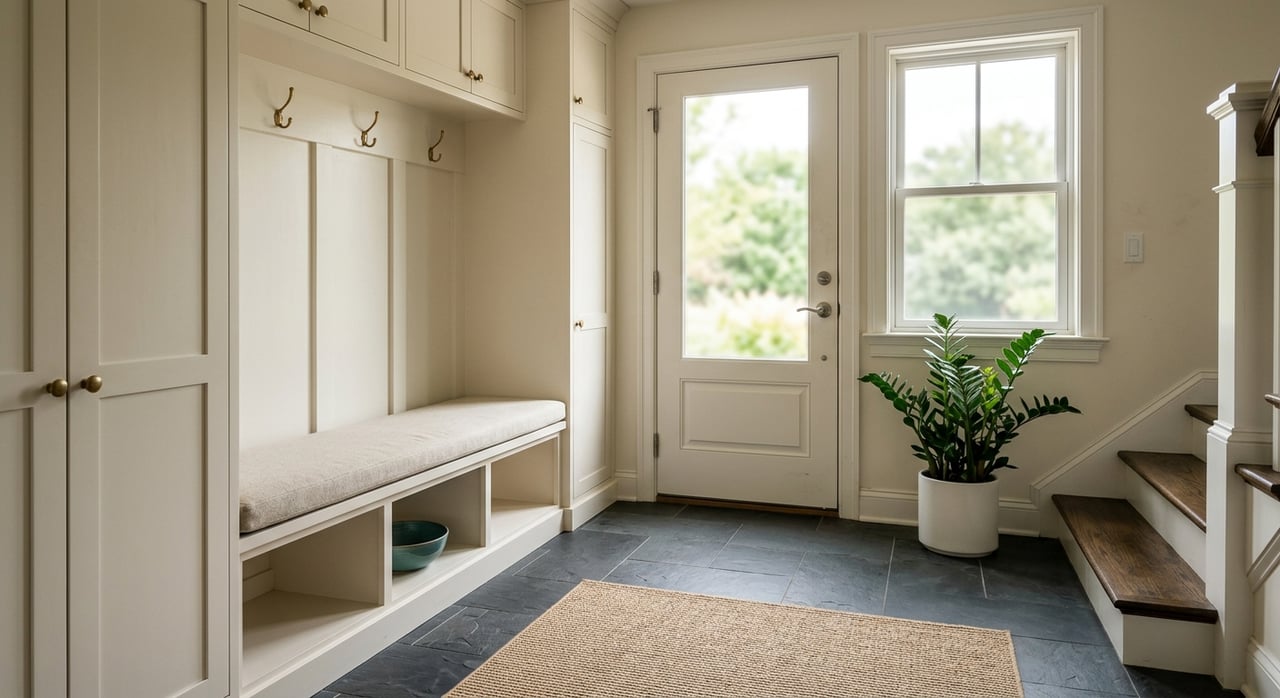
A Local Guide to New Hyde Park LIRR Living
May 7, 2026
May 7, 2026
If your daily routine depends on the train, where you live in New Hyde Park can shape everything from your morning timing to your parking plan. Living near the New Hyde Park LIRR station can offer real convenience, but it also comes with a few practical trade-offs that matter more here than they might in other suburban areas. If you are thinking about buying or selling near the station, this guide will help you understand what day-to-day life really looks like. Let’s dive in.
The New Hyde Park LIRR station is a big part of what makes this village appealing for commuters. It sits on the Port Jefferson Branch, with connections to Jamaica, where riders can transfer to Manhattan terminals including Grand Central and Penn Station.
That setup makes the station a major lifestyle feature for buyers who want easier regional access without giving up a suburban setting. It also gives sellers a strong location point when marketing homes near the station.
The station itself is built for practical, everyday use. According to the MTA, it includes ramps, tactile warning strips, and audiovisual passenger information systems, which support accessibility and easier navigation.
There are ticket machines at street level west of the station building near Herkomer Street. There is no ticket office, and the waiting area is open on weekdays only, so it helps to know ahead of time what services are and are not available on site.
The station also connects with NICE bus service, which adds another layer of transportation flexibility. While rail is the main draw here, that extra option can be helpful when your schedule changes.
One of the biggest quality-of-life changes came with the 2022 station improvements tied to the Third Track Project. The MTA says the work expanded the platforms for 12-car trains, added a pedestrian overpass and ramps, and removed nearby grade crossings.
That matters for more than just train operations. It also changed how traffic moves around the station area, which is a meaningful benefit for people who live nearby or drive to the station regularly.
Before the crossing removals, the MTA reported that gates at New Hyde Park Road, South 12th Street, and Covert Avenue were down 32% to 42% of the time during peak morning and evening periods. For local residents, that gives useful context for why station infrastructure has such a direct impact on everyday traffic patterns.
In New Hyde Park, walkable usually means close and convenient, not necessarily car-free. The station parking map shows a compact grid around streets such as Herkomer Street, New Hyde Park Road, South 12th Street, Plaza Avenue, Covert Avenue, Washington Avenue, Central Boulevard, Jericho Turnpike, and nearby numbered streets and avenues.
For many buyers, the blocks closest to those streets are the most obvious walk-to-station choices. Homes a bit farther out may still feel close in a broader village sense, but they often function more like short-drive station homes than true walk-to-train properties.
That distinction matters when you are home shopping. Two homes may both be described as near the station, but the day-to-day experience can feel very different depending on your exact block, parking setup, and route.
New Hyde Park is a compact village with 10,220 residents, 3,534 households, and just 0.85 square miles, based on Census estimates. That smaller footprint helps explain why location details matter so much here.
The housing stock also reflects a more established, stable residential market. Census data shows that 93.1% of residents lived in the same home one year earlier, which points to relatively low turnover and a community where many owners stay put.
For buyers, that often means you need to move quickly when the right home becomes available. For sellers, it can mean that well-positioned homes near the station stand out because inventory is not always abundant.
New Hyde Park is heavily owner occupied. The Census reports an owner-occupied rate of 86.9%, compared with 81.9% for Nassau County overall.
Home values also trend a bit higher here. The median owner-occupied home value is $722,900 in New Hyde Park, compared with $684,700 countywide.
That combination supports the idea of New Hyde Park as a stable, commuter-oriented ownership market. If you are buying here, you are likely competing in a village where many households view homeownership as a long-term choice.
One of the most important things to understand about living near the station is that some of the surrounding housing stock is older. That can be part of the charm and appeal, but it can also affect how you think about parking, updates, and future projects.
The village notes that special Class B permits are available for residents whose homes were built before off-street parking requirements became local law. In plain terms, that means some older homes near the station may not have a driveway or garage.
For buyers, this is not a small detail. If your household has multiple cars, frequent visitors, or specific parking needs, you will want to look closely at how a home functions beyond the interior itself.
In many commuter towns, parking is an afterthought. Near the New Hyde Park LIRR station, it is part of the lifestyle.
The village says commuter parking in the New Hyde Park/Plaza Avenue lot runs from 6 a.m. to 8 p.m. Monday through Friday. Resident permits cost $150 per year, and daily muni-meter parking costs $6.
The village also handles station lot maintenance, snow removal, and permit issuance. That local oversight is helpful, but it also means buyers and sellers should understand village rules as part of evaluating convenience.
The village code enforcement page lists several rules that affect daily living near the station area:
These rules can shape how comfortable a home feels for your household. If you have two cars, host overnight guests, or use a work vehicle, those details can matter just as much as commute time.
If you are searching for a home near the New Hyde Park LIRR station, it helps to think beyond simple distance. Convenience here is real, but it works best when the property also fits your daily routine.
A smart home search should include questions like:
The village building department enforces local zoning rules along with New York State codes, and rental properties must be registered with the village. That makes due diligence especially important if you are buying with future updates or alternate use in mind.
If you own a home near the station, your location can be a meaningful selling advantage. Buyers looking in New Hyde Park often care about train access, village convenience, and how a property fits a commuter routine.
That said, strong marketing should be specific and accurate. It helps to clearly present the home’s relationship to the station, parking features, and any updates that improve everyday function.
For example, sellers may benefit from highlighting:
In this market, practical details often carry real weight. A home that solves common station-area concerns can stand out quickly.
Living near the New Hyde Park LIRR station is best understood as commuter-first suburban living. You get the benefits of rail access, a compact village layout, and improved station infrastructure, but you also need to be comfortable with tighter parking rules and the realities of older housing stock.
For the right buyer, that trade-off is worth it because the location supports a smoother daily routine. For sellers, understanding those same trade-offs helps you position your home in a way that feels honest, useful, and compelling to today’s buyers.
If you are thinking about buying or selling near the station, working with a local team that understands block-by-block differences can make the process much clearer. For personalized guidance on New Hyde Park homes and commuter-friendly neighborhoods, connect with Kathleen Evangelista.
Stay up to date on the latest real estate trends.

When you choose our team, you're not just getting real estate professionals; you're gaining dedicated advisors who will work tirelessly to make your real estate dreams a reality. If you're looking for a truly superb real estate experience, trust in our team's expertise to navigate the complexities of the real estate market and ensure your satisfaction every step of the way. Your real estate success is our top priority.