How to Choose Your Ideal Long Island Suburb
March 5, 2026
March 5, 2026
Are you torn between a few Long Island towns but not sure what will actually fit your life? You are not alone. Many NYC buyers start with a short list, then feel stuck comparing commutes, taxes, flood maps, and very different home styles. This guide gives you a simple framework to weigh the tradeoffs, plus quick town snapshots and a checklist you can use on every house tour. Let’s dive in.
Start with your primary work location and the door-to-door time you can live with. If you rely on the LIRR, look at the branch your target town sits on and test the weekday morning schedule.
If you plan to drive, know that trip times to Midtown vary widely with traffic. Use a maps app and test your route during your real commute hours. Also note station access and parking options. Some stations have large municipal lots or garages while others have limited village parking.
Decide how you want to spend your time outside. South Shore communities like Massapequa, Merrick, and Oceanside put you closer to beaches and bays. North Shore towns such as Great Neck and Manhasset offer harbors, preserves, and formal gardens with larger lots in some pockets. For a classic beach day, review park access at Jones Beach.
Flood exposure varies by block. Properties in FEMA Special Flood Hazard Areas (A, AE, or VE) generally require flood insurance if you use a federally backed mortgage. Always run the exact address through FEMA’s Flood Map Service Center and a modeled risk tool like First Street Foundation before you make an offer. For an overview of how flood insurance requirements work on Long Island, see this primer on when flood insurance is required.
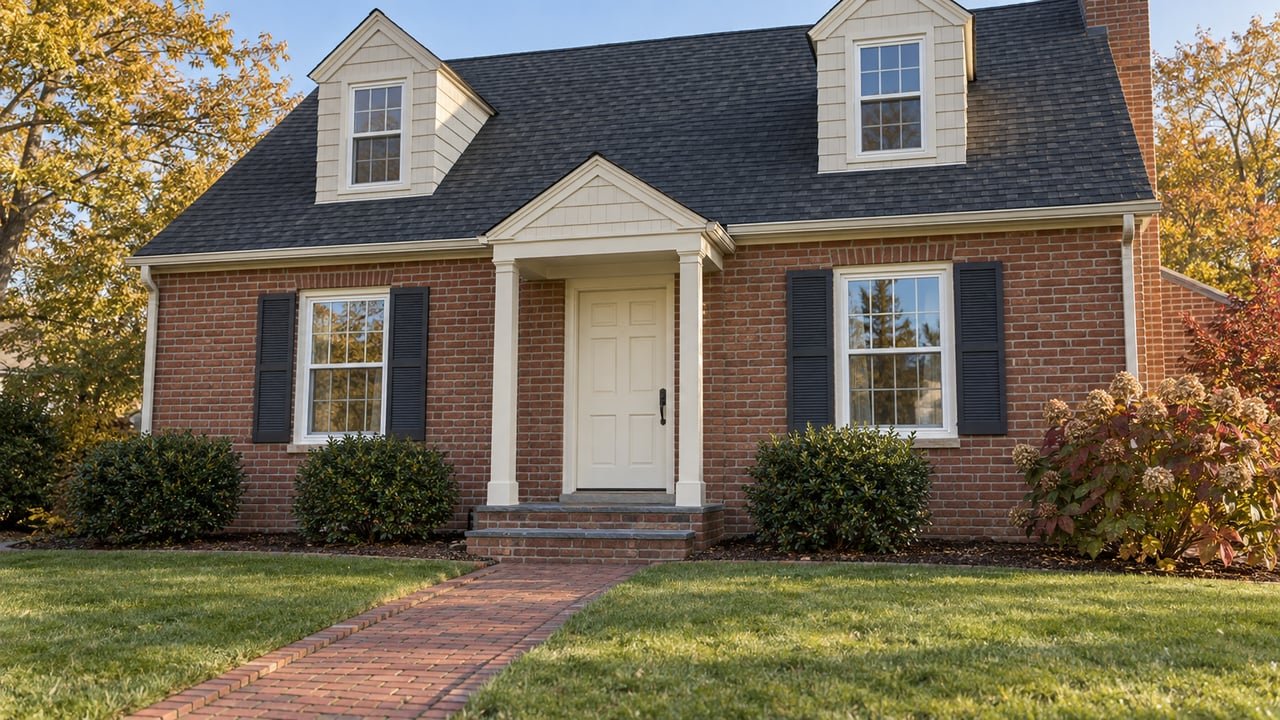
Long Island offers very different home eras and maintenance profiles from town to town:
With older homes, budget for roofs, windows, masonry, and mechanicals. If a property uses septic, factor in system age and future conversion or maintenance. Waterfront homes may require bulkhead inspections and specialized insurance.
If you want to run errands on foot and enjoy a village vibe, focus on towns with active, railside downtowns. Rockville Centre, Garden City, Great Neck, and Lynbrook are popular for this reason. Rockville Centre, for example, draws steady buyer interest for its walkable core and LIRR access. You can skim town-level market context on Realtor.com’s Rockville Centre overview.
Beyond the village streets, look at proximity to larger retail hubs, health care, and grocery options. Many families value being within a short drive of Roosevelt Field or Green Acres for broader shopping and services.
Nassau County has remained competitive, with county-level single-family medians reported in the roughly 790,000 to 860,000 dollar range across 2025 months. For example, July 2025 medians were published by OneKey MLS and the Long Island Board of REALTORS. See the county market recap in OneKey’s July 2025 data post.
Property taxes are a major part of ownership costs, and school taxes are often the largest component in Nassau. Review how your target town and school district structure tax bills and use public assessment tools to estimate annual costs. For context on tax composition, this Nassau budget summary outlines how local budgets allocate funds (Nassau Budget Summary).
Use these quick sketches to match towns to your priorities. Pricing references are directional and will vary by month and block. Always verify current medians for the month you plan to buy.
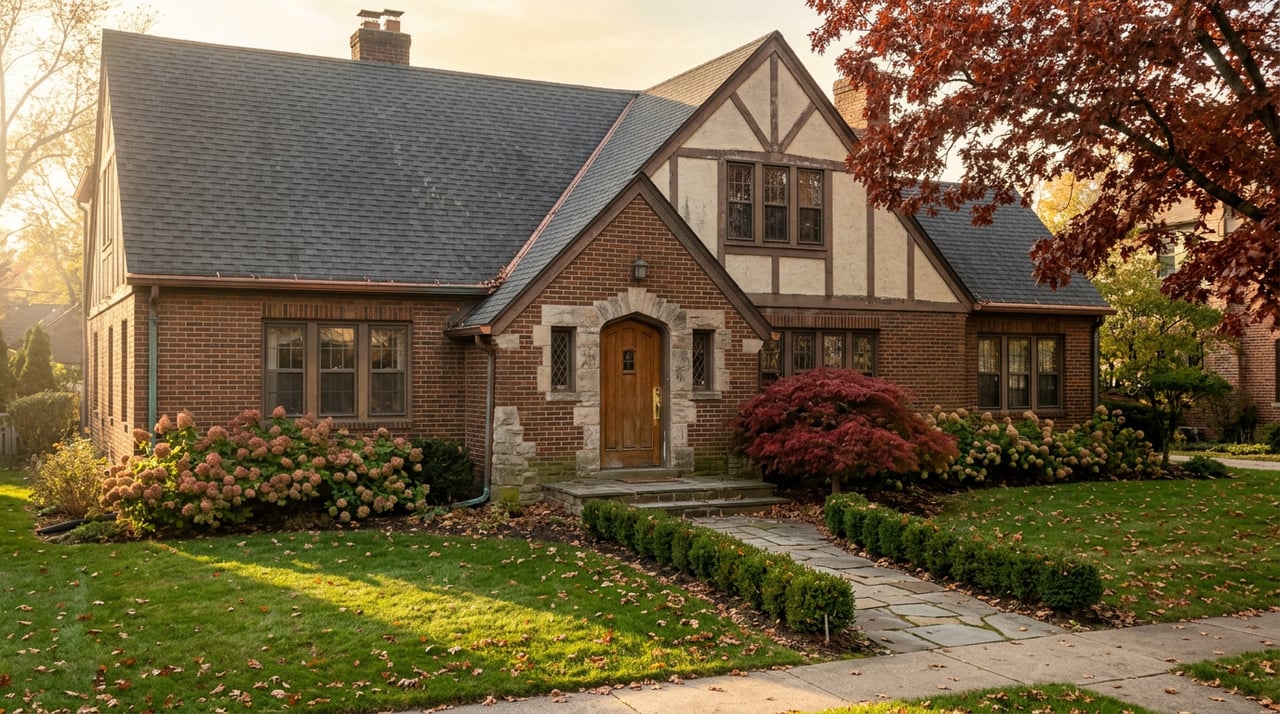
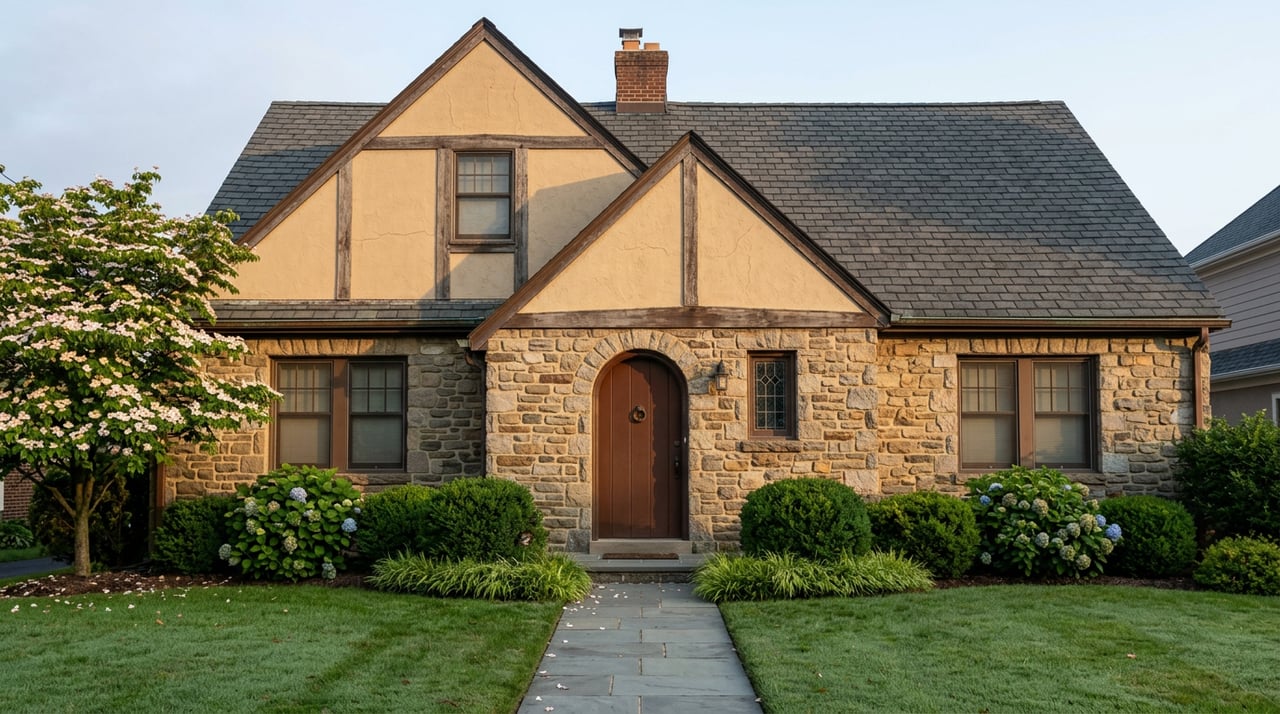
If a shorter train ride and a North Shore setting are top of your list, Great Neck is worth a look. The Port Washington Branch offers direct Midtown service in many schedules, and housing spans classic prewar Tudor and Colonial styles to newer builds. Get a market overview and active listings on Great Neck’s Realtor.com page.
Garden City delivers a traditional suburban village experience with a central downtown, LIRR access, and a wide range of single-family homes on tree-lined streets. Buyers drawn to classic Colonials and Tudors often start here. Explore pricing and trends on Redfin’s Garden City overview.
Mineola’s Main Line station, courthouse district, and mix of single-family and attached homes make it a strong option if you want a practical commute and solid value. Many buyers use it as a base for a shorter train ride without North Shore price levels. See recent market snapshots on Redfin’s Mineola housing market page.
If you want easy beach days, bigger backyards in many areas, and potential waterfront options, put these South Shore towns on your tour list. Focus your flood due diligence early if you are near the bays or canals. Sample current inventory and styles in Massapequa on Realtor.com.
These villages draw buyers who want a walkable core close to Manhattan. You will find a variety of home styles on modest lots and convenient LIRR access. Skim neighborhood context on Realtor.com’s Rockville Centre overview.
Copy this checklist into your notes and use it for every town and address you consider.
When two or three towns feel close, use the rule of thirds. One third weight to commute and daily rhythm, one third to housing fit and outdoor space, and one third to budget and taxes. If a home scores high on two of the three, it usually deserves a serious look.
You will never control the train schedule or the rain, but you can choose the tradeoffs that work for your life right now. A clear checklist, a few targeted tours, and current market data will help you move from browsing to buying with confidence.
If you want local insight on specific blocks, current medians, and off-market opportunities in Nassau County, connect with Kathleen Evangelista. Our team combines boutique neighborhood expertise with proven, full-service representation to help you find the right fit.
Stay up to date on the latest real estate trends.

When you choose our team, you're not just getting real estate professionals; you're gaining dedicated advisors who will work tirelessly to make your real estate dreams a reality. If you're looking for a truly superb real estate experience, trust in our team's expertise to navigate the complexities of the real estate market and ensure your satisfaction every step of the way. Your real estate success is our top priority.