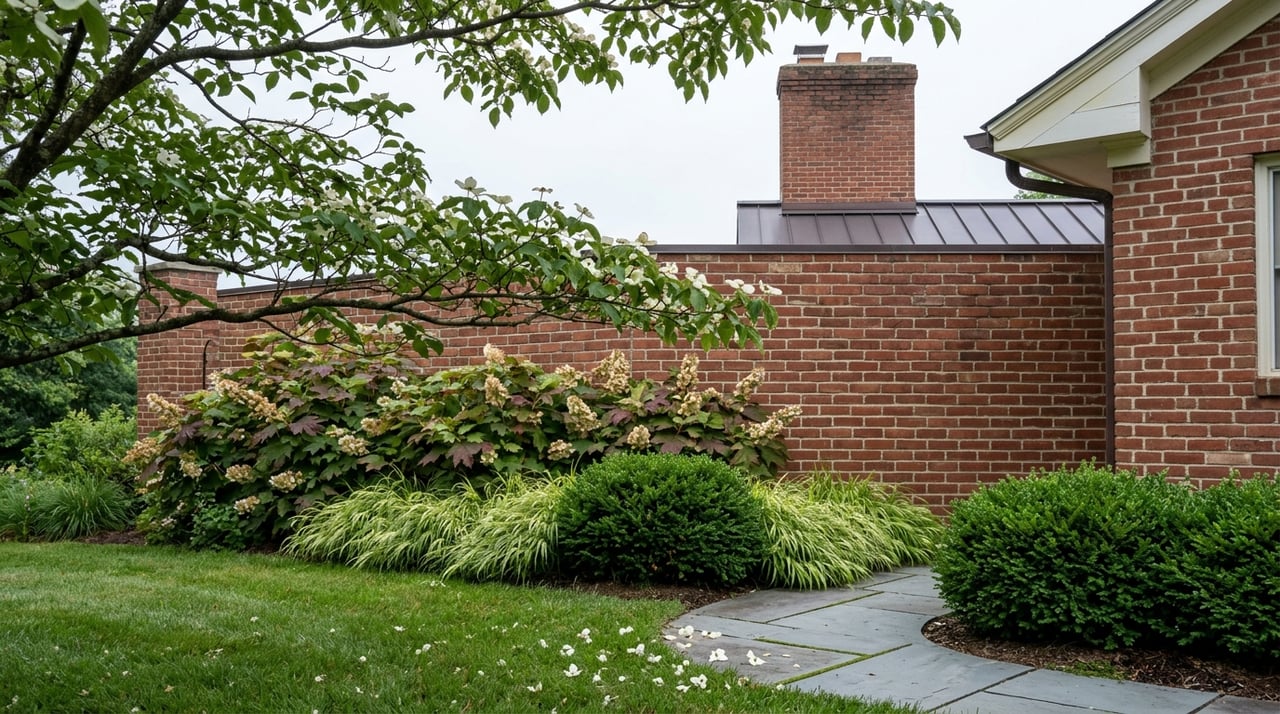
The Garden City Paperwork Snag That Has Nothing to Do With History
August 27, 2026
August 27, 2026
Every seller of an older Garden City home asks some version of the same question before they call an agent: will the historic-district board hold up my sale? The village was planned by A.T. Stewart in the 1870s as a company town for his Manhattan retail empire, and that lineage shows up everywhere, from the Cathedral of the Incarnation to the Colonials lining Fifth and Ninth Streets. It's reasonable to assume that lineage comes with strings attached at closing time.
It mostly doesn't. The paperwork that actually slows down a Garden City sale has almost nothing to do with architectural review boards or historic designations. It has to do with a file cabinet at Village Hall, and whether the additions, finished basements, and garages built over the last century ever made it into that cabinet with a permit attached.
Garden City does have an Architectural Design Review Board. It was created in 1952 and rewritten in its entirety in 1989 under Chapter 57 of the Village Code, and its job is to review the exterior design of new construction, signs, and non-residential alterations before the Building Department will issue a permit. Seven members serve three-year terms, and the board meets on a monthly cycle with submissions due by the last day of the prior month.
Here's the detail that surprises most sellers: the Village Code carves out a specific exception. Additions and alterations to one-family homes do not need to go before this board at all. If you own a single-family house and you're putting on a dormer or finishing a rear porch, Chapter 57 simply doesn't apply to you. The board's docket is built for new construction, commercial storefronts along Seventh Street and Franklin Avenue, and multi-family or institutional projects, not for the ordinary move-up Colonial changing hands on the residential streets.
The formally protected homes are an even smaller group. In 1978, fifty Garden City structures from the A.T. Stewart era went onto the National Register of Historic Places, forty-one of them residential. According to a 2017 report in Garden City News, only thirty-seven of those residential structures were still standing at that point, the rest lost to demolition over the intervening decades. That's the entire universe of Garden City houses carrying a national historic designation, a tiny fraction of the village's housing stock. Unless your listing is one of those specific addresses, you are not walking into a design review meeting with paint chips and elevation drawings before you can put a sign in the yard.
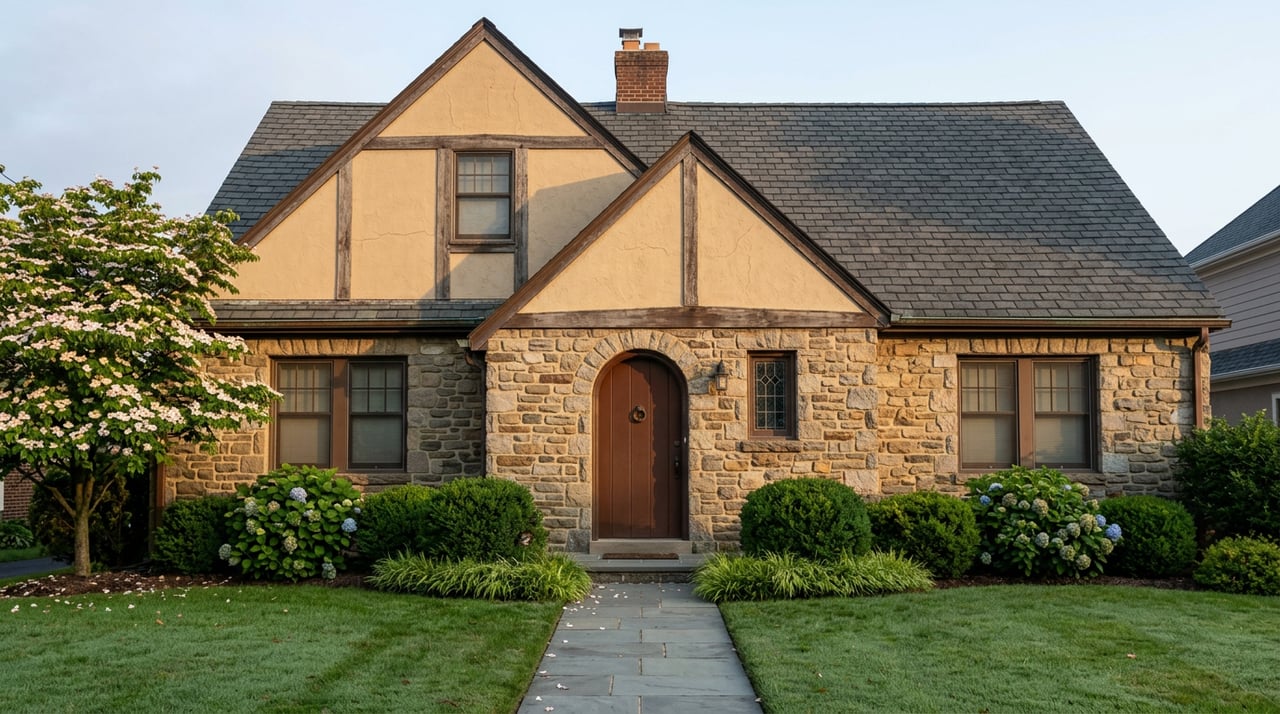
The same building boom that produced those thirty-seven landmark houses also produced thousands of ordinary Tudors, Capes, and Colonials across the village, many of them a century old and renovated multiple times since. Additions, finished basements, converted garages, enclosed porches. Not every one of those projects pulled a permit when the work was done, and that's the gap that actually reaches into a closing.
A Certificate of Occupancy confirms that a structure's legal use matches what was permitted and inspected. Buyers need one, because lenders generally won't finance a mortgage against square footage the municipality never signed off on. If a Garden City seller lists a house with a finished basement or an addition that was never permitted, that gap doesn't surface at the listing photo shoot. It surfaces during underwriting, when the buyer's lender asks for documentation the seller doesn't have.
The Village's own code spells out what happens next. Under Chapter 68 of the Garden City Code, anyone who needs to legalize work that was done without a permit pays a legalization fee equal to three times the standard application fee, on top of whatever the standard permit and inspection fees already cost. As of the Village's 2026 fee schedule, a residential building permit runs $400 for the first $1,000 of construction valuation plus $20 for every additional $1,000. Triple that base application fee for anything built without a permit, and the cost of getting a Certificate of Occupancy caught up starts to matter well before it becomes a negotiating point with a buyer's attorney.
Timing matters just as much as cost. A routine final inspection on properly permitted work can be scheduled and closed out in days. Retroactive permits, plan review, and corrective work to bring unpermitted construction up to code can stretch into weeks or months, depending on the scope and how backed up the Building Department is that season. That's the difference between a seller who checks their permit history in the spring and one who discovers a problem after already being under contract in the fall.
| Situation | Typical timeline |
|---|---|
| Properly permitted work, routine final inspection | Days |
| Unpermitted work requiring legalization, retroactive permits, or plan review | Weeks to months |
There used to be an escape hatch for sellers who didn't want to deal with any of this in writing. Under New York's old Property Condition Disclosure Act, a seller could hand a buyer a $500 credit at closing instead of completing the disclosure statement, and most sellers took that option rather than put anything about the property's condition in writing.
That workaround is gone. As of March 20, 2024, New York law no longer allows the $500 credit in lieu of a completed Property Condition Disclosure Statement. The same 2024 amendment added new questions about flood zones, flood insurance requirements, and prior flood claims, and the version of the form sellers are required to use today is dated April 2025 with an effective date of July 2025.
For a Garden City seller, this closes the loop on the permit question. There's no longer a $500 buyout that lets an unresolved Certificate of Occupancy question stay quiet. The disclosure statement and the buyer's mortgage underwriting are both going to ask, in different ways, whether the house matches what's on file with the Village.
None of this is a reason to worry about Garden City's reputation as a historic village. It's a reason to treat the Building Department at 351 Stewart Avenue as your first stop, not your last. Before a Garden City listing goes live, it's worth confirming that any addition, finished basement, or garage conversion has a Certificate of Occupancy or Certificate of Completion on record, and if it doesn't, starting the legalization process on your own timeline instead of the buyer's.
A few questions we hear most often:
Does every home in Garden City need architectural board approval before it can be listed or sold? No. Chapter 57 exempts additions and alterations to one-family homes entirely. Board review applies to new construction, commercial exterior work, and the specific list of nationally registered structures, not to the ordinary single-family resale market.
What if I finished my basement or built an addition years ago without a permit? You'll likely need to legalize the work before a buyer's lender will finance the property. The Village charges a legalization fee equal to three times the standard application fee, on top of standard permit costs, so it's worth checking your permit history early.
Can I still offer a buyer a credit instead of filling out the disclosure form? No. As of March 20, 2024, the $500 credit option was removed from New York law. Sellers of one-to-four family homes must complete the current Property Condition Disclosure Statement.
Garden City's history is the reason people want to live here. It shouldn't be the reason a sale gets delayed. If you're weighing whether your home's permit history is closing-ready, The Evangelista Team can walk through it with you and help you get a clear picture of where your property actually stands. Get Your Free Home Valuation and start the conversation before a buyer's lender does.
Stay up to date on the latest real estate trends.

When you choose our team, you're not just getting real estate professionals; you're gaining dedicated advisors who will work tirelessly to make your real estate dreams a reality. If you're looking for a truly superb real estate experience, trust in our team's expertise to navigate the complexities of the real estate market and ensure your satisfaction every step of the way. Your real estate success is our top priority.