The Buried Detail That Stalls More Malverne Closings Than Any Inspection Item
September 17, 2026
September 17, 2026
Picture a Malverne colonial that checks every box. Updated kitchen, refinished hardwood, a clean pre-listing inspection, an accepted offer within two weeks. Then the buyer's inspector walks the side yard, kneels near an old hose bib, and finds a rusted metal cap flush with the grass that nobody on either side of the deal can explain. The furnace runs on gas. Nobody remembers an oil delivery truck. But the cap suggests a tank is still down there, and now the closing timeline depends on an answer nobody has yet.
This is not a rare edge case in Malverne. It is close to a predictable event, and the reason has less to do with any one house and more to do with what the whole village was built on top of, and when.
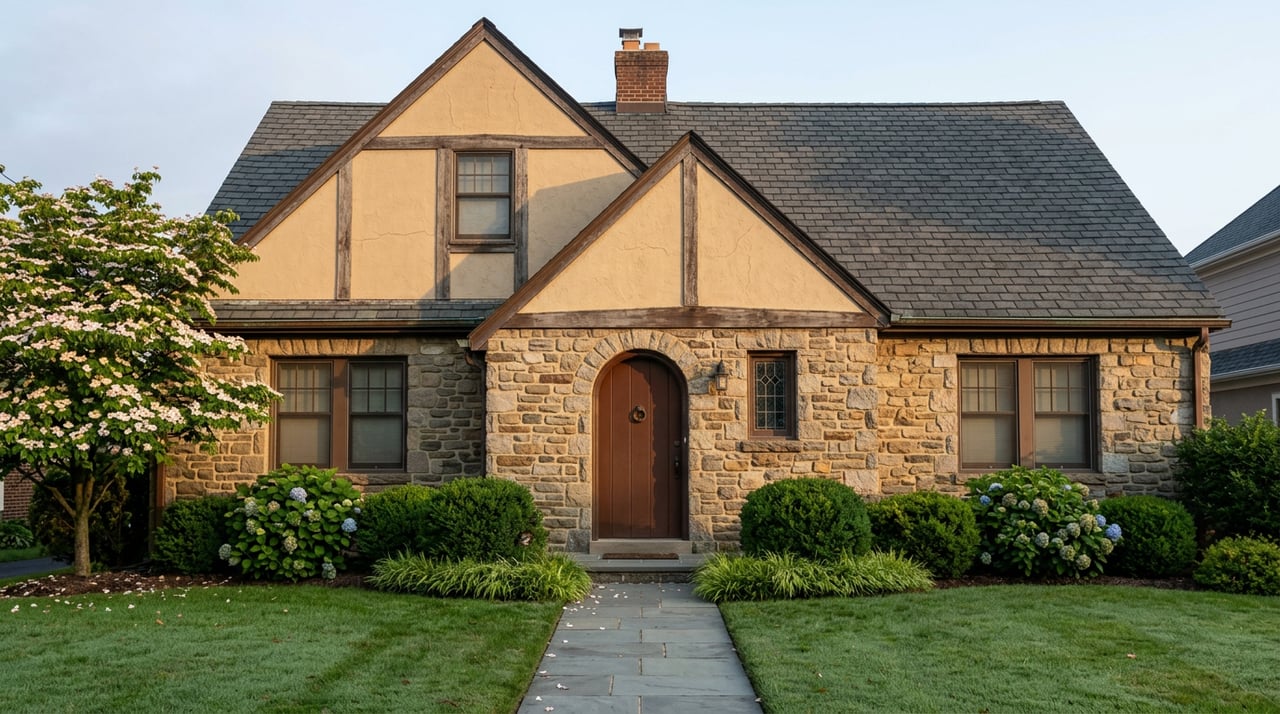
Malverne incorporated in 1921 as a planned commuter suburb, and its real building boom came later. Village population grew from 5,153 residents in 1940 to a peak of 10,036 by 1970, which lines up with the decades when oil was the standard home heating fuel across the region, long before gas conversion became routine. The village today is often described as one of the larger concentrations of pre-World War II architecture on the South Shore, with Tudors filling the streets of the Westwood section and center-hall colonials and Capes making up most of the rest.
Homes built in that window were almost universally heated with oil, delivered by truck and stored in a tank buried in the side or back yard. Decades later, many of those same houses have been converted to gas. A local HVAC contractor who services the village puts it plainly: a lot of Malverne's prewar homes still run oil heat today, and the ones that have switched to high-efficiency gas usually did it specifically to free up basement space and cut fuel costs. What that conversion does not automatically include is dealing with the tank that used to feed the old system. The furnace gets replaced. The buried tank, more often than people expect, does not.
Malverne's own village history describes something else that matters here: a persistently high water table. Early developers had to pump building sites for days before a foundation could even be poured, and damp basements have been part of village life since the neighborhood was still farmland being subdivided into house lots. That detail usually shows up in conversations about basements and sump pumps. It matters just as much for anything made of steel that has been sitting in that ground for sixty or eighty years.
A buried tank does not corrode on a fixed schedule. It corrodes based on the soil and moisture around it. A steel tank sitting in consistently damp, high-water-table ground for decades is in a different situation than one in dry, well-drained soil, regardless of what a flood map says about the property. That is the mechanism worth understanding before you list or make an offer in Malverne specifically: age of home plus original heating fuel plus ground conditions adds up to a higher chance that an old tank is still down there and has had a long time to develop a problem.
None of this means panic is the right response. It means proactive information beats a surprise mid-contract. Eastern Environmental Solutions, which works across Nassau and Suffolk, lays out the basic cost structure for a Long Island tank inspection.
| Step | What it tells you | Typical Long Island cost |
|---|---|---|
| Tank sweep or locate | Confirms whether a tank is present, even one nobody remembers installing | $300 to $700 |
| Soil and integrity testing | Confirms whether the tank has leaked | Priced per job, no flat rate |
| Remediation, if contamination is found | Clears the soil and groundwater impact | $10,000 to $100,000 or more |
The spread on that bottom line is wide because it depends entirely on how long a leak has gone unnoticed. That is exactly why the smart move is running the sweep before a house goes on the market rather than finding out during someone else's attorney review, when the numbers get negotiated under pressure instead of planned for on your own timeline.
Nassau County has a specific program for this, run through its Department of Health, called Small Petroleum Tank Abandonment and Removal. Its stated purpose is straightforward: protecting groundwater from petroleum contamination by properly closing small underground tanks, heating oil tanks included. It is worth knowing this program exists as its own track, separate from anything in neighboring Suffolk County. Suffolk's rules, for comparison, draw a hard line at 1,100 gallons, above which closure in place is not an option and full removal is required. A homeowner or contractor who assumes Nassau and Suffolk handle this identically is assuming wrong, and that assumption can cost time when a deal is already moving.
A house built in a 1980s Nassau development went up after gas heat was already standard practice, so there was never an oil tank to begin with. That is not the case for most of Malverne's housing stock. The village's age, its oil-heat history, and its water table combine to make the buried tank question relevant here in a way it simply is not for a newer subdivision a few towns over. That is not a reason to see Malverne differently as a place to live. It is a reason to handle one specific step differently when a sale is on the table.
If you are selling: get the sweep done before you list, not after an offer is in hand. A clean result becomes a selling point you can put in front of a buyer's attorney on day one. A tank that needs attention becomes a known quantity you can price around instead of a surprise that reopens negotiations two weeks before closing.
If you are buying: ask the question directly, even when the seller says the home runs on gas. A gas furnace tells you nothing about whether the original oil tank was ever removed or properly closed. A locate and sweep during your due diligence window is inexpensive insurance against inheriting someone else's fuel history along with the house.
Does every pre-war home in Malverne have a buried tank? No, but the odds are meaningfully higher than in a home built after gas heat became standard. Homes in the Westwood Tudors, and the colonials and Capes that make up most of the rest of the village, were largely built in an era when oil was the default fuel.
If my home already runs on gas, could there still be a tank in the ground? Yes. Converting a furnace to gas addresses the heating system, not necessarily what is buried outside it. Unless there is documentation showing the old tank was removed or formally closed, it is worth confirming rather than assuming.
Who typically pays for the sweep, buyer or seller? It varies by transaction, but a seller who orders the sweep before listing controls both the timing and the framing of the results. A buyer who requests one during the inspection period is protecting their own position before the deal is finalized either way.
If you are weighing whether to list a Malverne home this fall, or you have an offer out on one and want a second set of eyes on what the fine print might mean for your timeline, the Evangelista Team works this village closely enough to know which questions to ask before an attorney does. Reach out for your free home valuation and we will walk through exactly what your specific address needs before it ever hits the market.
Stay up to date on the latest real estate trends.

When you choose our team, you're not just getting real estate professionals; you're gaining dedicated advisors who will work tirelessly to make your real estate dreams a reality. If you're looking for a truly superb real estate experience, trust in our team's expertise to navigate the complexities of the real estate market and ensure your satisfaction every step of the way. Your real estate success is our top priority.